
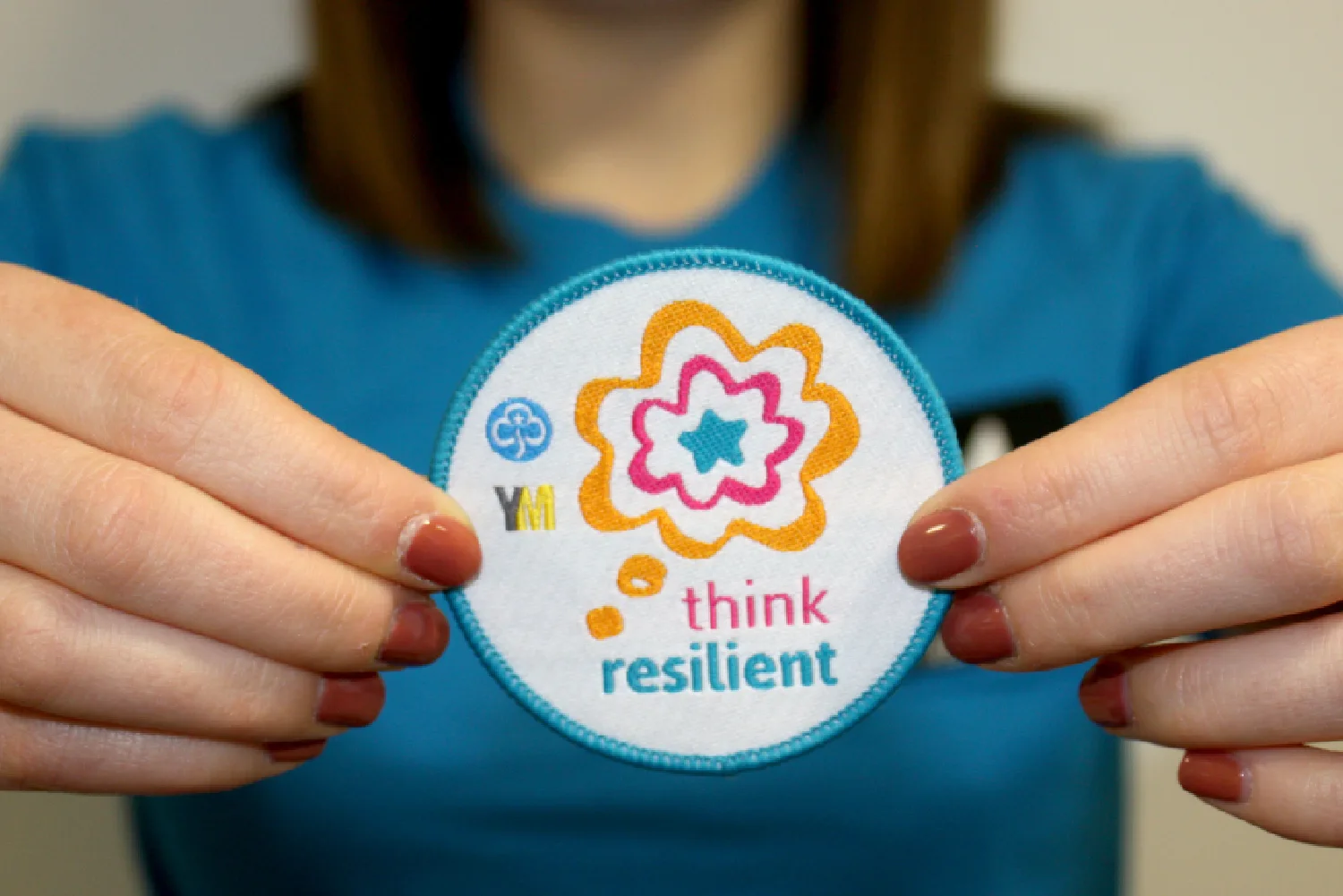
Mental wellbeing forms an essential part of overall health, influencing how people think, feel, and interact with the world around them. In the United Kingdom, awareness of mental health has increased significantly in recent decades, encouraging more open discussions and broader support networks. Public conversations about emotional resilience, stress management, and psychological balance have become more visible in schools, workplaces, and community spaces. This cultural shift has encouraged individuals to pay closer attention to their mental wellbeing as part of everyday health routines. Organisations such as Mind actively promote education, resources, and community support to help people better understand emotional wellbeing. Through campaigns, outreach programmes, and accessible information, these initiatives encourage individuals to seek support when needed and develop practical strategies for maintaining emotional balance.
Advertisement
Lifestyle choices play a meaningful role in maintaining positive mental health. Daily habits related to physical activity, sleep patterns, and nutrition influence cognitive performance and emotional stability. Regular exercise is widely associated with improved mood and reduced stress levels, while balanced meals help sustain energy and concentration throughout the day. Adequate sleep also supports mental clarity and emotional resilience, allowing the brain to recover from daily demands. Many UK residents are adopting small adjustments in their routines, such as scheduling outdoor walks or establishing consistent sleep schedules, to support their wellbeing. While these changes may appear modest, consistent habits often contribute to gradual improvements in mental balance over time.
Social connection is another important factor in mental wellbeing. Supportive relationships with friends, family members, and colleagues provide emotional encouragement during difficult periods. Conversations with trusted individuals can offer reassurance, perspective, and a sense of belonging. In communities throughout the UK, social clubs, volunteer organisations, and local initiatives create opportunities for individuals to connect with others who share similar interests. Charities such as Samaritans offer confidential listening services for those seeking understanding and empathy. These networks reinforce the idea that mental wellbeing is strengthened through shared experiences and supportive communication.