
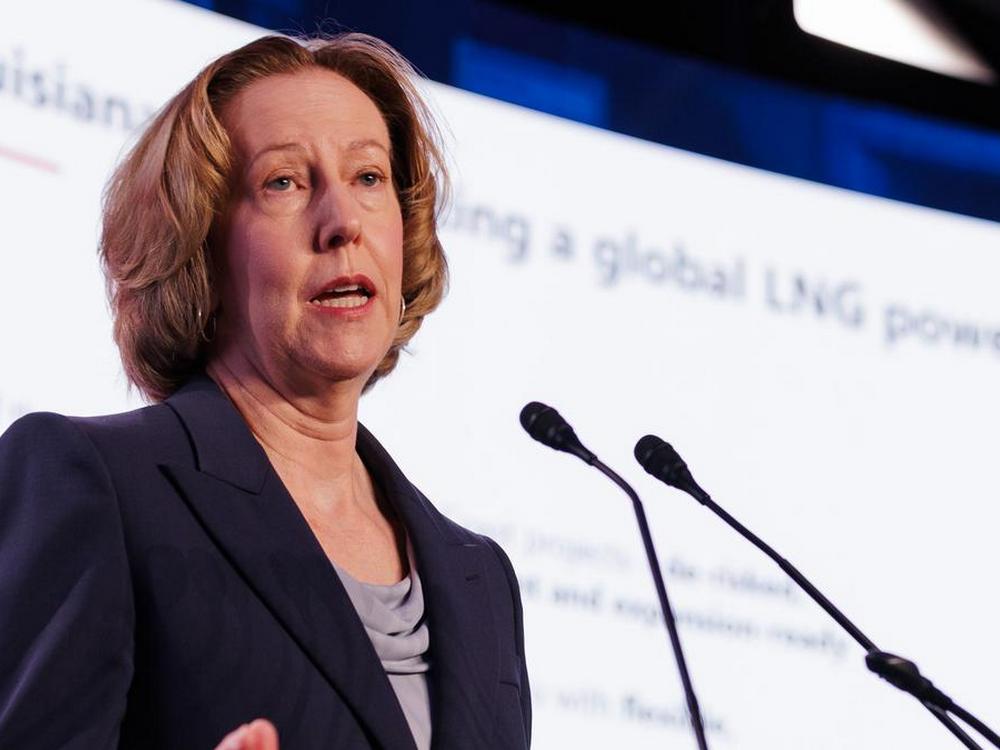
It was meant to be a smooth first appearance.
Advertisement
A polished new chief executive. A carefully prepared message. A familiar corporate script about stability, strategy and the road ahead.
But Meg O’Neill’s first public turn at BP did not land like a celebration. It landed like a warning.
Within moments, the tone shifted. This was not the usual soft-focus language of a new boss settling into the chair. It was sharper, colder and far more serious than many expected.
And that is why one line from the address has started attracting attention.
- Not because it was shouted.
- Not because it was dramatic.
- But because it sounded like the kind of sentence that reveals more than it was supposed to.
The line that changed the mood
Every major company tries to control its first impression when a new chief executive takes over.
The lighting is right. The words are measured. The message is usually simple: we are confident, we are prepared, and everything is under control.
But O’Neill’s opening message carried a different charge.
By referring to a difficult and unstable environment, she instantly moved the conversation away from corporate optimism and towards something much more uncomfortable: pressure.
For investors, that sort of language matters. Markets are trained to listen not only to what executives say, but to what they appear to be preparing people for.
And this did not sound like a victory lap.
It sounded like a company bracing itself.
This was not the launch BP expected
There was no open confrontation. No explosive row. No dramatic admission.
But the atmosphere around the remarks felt tense enough to become a story on its own.
It had the quality of a live broadcast moment — the kind where everyone in the studio hears the same sentence and immediately starts wondering what it really means.
Was this just corporate honesty?
Or was it a warning from the top that BP’s next chapter could be far tougher than the public has been told?
That is the question now hanging over the company.
A new boss, but not a quiet start
O’Neill is taking charge at one of the most sensitive moments for BP in years.
The company is under pressure from shareholders. The energy market is shifting. Investors want cleaner numbers, firmer direction and fewer vague promises about the future.
They want to know whether BP will move faster.
Whether it will cut harder.
Whether it will lean back into oil and gas.
And whether the company’s next strategy will be driven by idealism — or cold commercial reality.
Against that backdrop, her first public message was never going to be just a greeting.
It became a signal.