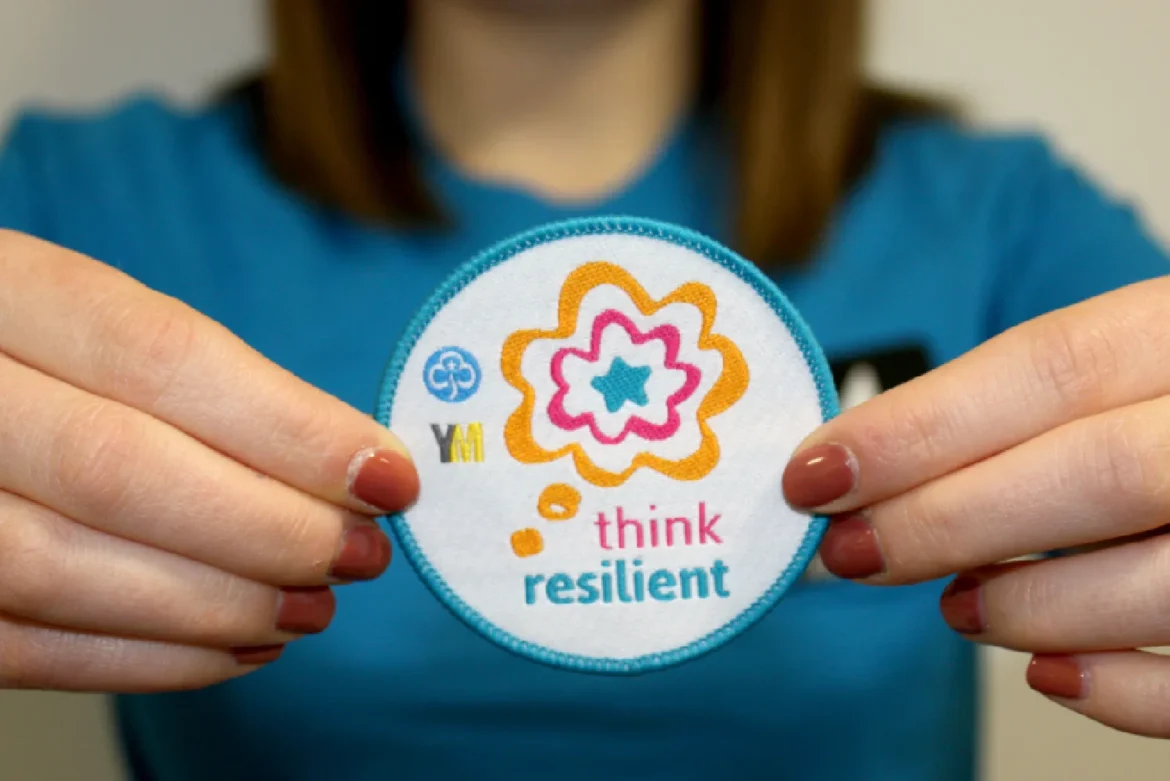

Managing stress effectively has become an important aspect of maintaining overall wellbeing in modern life. Across the United Kingdom, individuals face a wide range of responsibilities related to work, family, education, and personal commitments. When these pressures accumulate, they can influence both mental and physical health. Developing practical stress-management strategies helps individuals maintain balance and resilience in everyday situations. Organisations such as Mental Health Foundation regularly publish resources designed to help people recognise the signs of stress and explore supportive coping strategies. Public awareness initiatives encourage individuals to approach stress management proactively rather than waiting until pressure becomes overwhelming. By recognising the importance of emotional balance and implementing supportive habits, people can navigate daily responsibilities more comfortably.
Mindfulness practices have gained popularity as tools for supporting emotional stability and concentration. Techniques such as meditation, controlled breathing, and guided relaxation encourage individuals to slow their thoughts and focus on the present moment. These practices help reduce mental overload caused by constant multitasking or worry about future events. Many UK workplaces, educational institutions, and community groups now incorporate mindfulness sessions into wellness programmes. Digital applications and online resources also provide guided exercises that individuals can practise at home. While mindfulness techniques require consistency and patience, regular practice can strengthen awareness of thoughts and emotions, helping individuals respond more calmly to stressful situations.
Effective time management is another important strategy for maintaining wellbeing. Many people experience stress when they feel overwhelmed by competing tasks or unrealistic expectations. Creating structured schedules helps individuals organise responsibilities and allocate sufficient time for different activities. Breaking large projects into smaller steps can make tasks appear more manageable and reduce feelings of pressure. Setting priorities also allows individuals to focus on essential commitments while postponing less urgent responsibilities. In the United Kingdom, productivity workshops and workplace training programmes frequently emphasise planning techniques that encourage balanced workloads and sustainable working habits.