
Home Show Business
Category:

Show Business

Advertisement

Celebrities in the United Kingdom play an increasingly visible role in shaping the direction of fashion trends across both high-end design and everyday clothing. Public figures regularly appear in media interviews, television programs, film premieres, and social media platforms, where their fashion choices receive significant attention from audiences and fashion observers. When a well-known performer or public personality introduces a new style or designer label, it often sparks widespread interest among fans and fashion enthusiasts. These moments of visibility influence how clothing styles gain popularity, particularly when media coverage and online discussion amplify the exposure. Cities such as London have become important centres where celebrity culture intersects with fashion innovation. Designers, stylists, and photographers frequently collaborate with well-known personalities to present new collections and visual campaigns that shape seasonal trends within the fashion industry.

Red carpet appearances and public events offer some of the most influential opportunities for celebrities to showcase fashion. Film premieres, award ceremonies, and charity galas attract media coverage that closely examines what public figures wear during these occasions. Designers often collaborate with stylists to create distinctive outfits that highlight both artistic creativity and brand identity. Events connected with the British Fashion Council or high-profile ceremonies hosted in venues such as Royal Albert Hall generate significant international attention. Photographs from these events circulate widely through news outlets and digital media, inspiring fashion commentary and trend analysis. When audiences observe recurring styles across multiple public appearances, those visual patterns can influence broader consumer interest in similar designs.

Collaborative projects between celebrities and fashion brands have become a common strategy for expanding brand visibility and connecting with audiences. Designers frequently invite well-known personalities to participate in the creation of capsule collections or limited-edition clothing lines. These collaborations combine celebrity identity with professional design expertise, resulting in products that appeal to fans as well as fashion enthusiasts. Brands may promote these partnerships through advertising campaigns, social media content, and public launch events. The involvement of celebrities can draw attention to emerging designers who gain wider recognition through association with influential public figures. This collaborative model demonstrates how the fashion industry blends creative design with marketing strategies that rely on cultural visibility.
Pages: 1 2

Advertisement

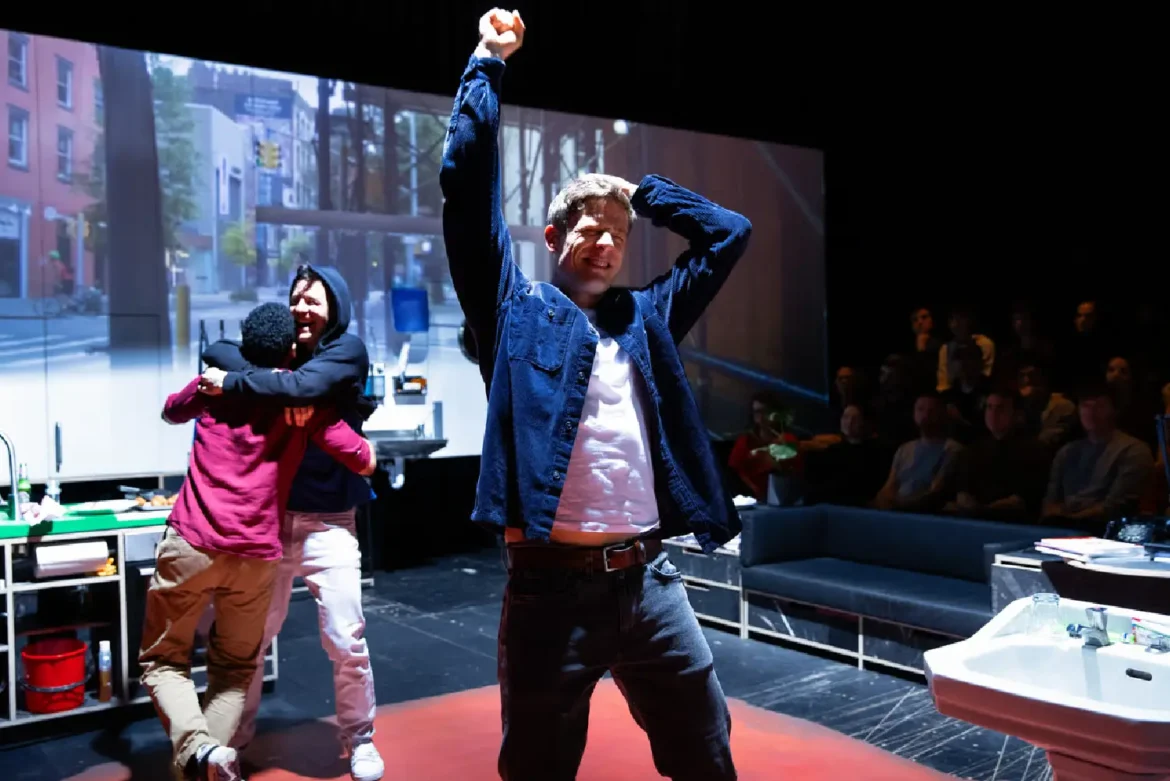
The theatre tradition in the United Kingdom has long been recognized for its rich cultural heritage, but in recent years it has begun adapting in notable ways to meet the expectations of contemporary audiences. Modern theatre producers and playwrights are exploring a wider range of themes that reflect current social conversations, technological developments, and evolving cultural perspectives. While classical plays by historic writers remain an important part of the repertoire, many theatres are presenting new works that experiment with narrative structure and stage presentation. This balance between tradition and innovation allows audiences to appreciate both established dramatic works and fresh storytelling approaches. Major theatre districts such as those found in London continue to attract global attention for their productions, yet creative experimentation is happening across the country. Theatre companies increasingly focus on inclusive storytelling that resonates with audiences from different backgrounds and age groups. By integrating contemporary perspectives into traditional theatrical frameworks, the UK theatre community continues to evolve while maintaining its cultural significance.

Regional theatres have become particularly important in supporting the growth of creative experimentation. Outside the well-known stages of central London, theatres in cities such as Bristol and Leeds have built strong reputations for producing innovative performances and supporting emerging artists. These venues often provide opportunities for new playwrights, directors, and performers to present work that might not yet appear on larger commercial stages. Smaller theatres tend to foster close relationships with their audiences, creating spaces where storytelling can feel more intimate and community-focused. Productions in regional theatres frequently address social issues, local history, or cultural identity, encouraging audiences to reflect on experiences that shape their communities. This local engagement helps theatre remain relevant while nurturing a diverse range of artistic voices.

Technological innovation has also influenced how theatrical performances are presented. Lighting design, digital projections, and immersive sound systems have expanded the visual and emotional possibilities of live performances. Directors increasingly use multimedia elements to enhance stage environments, allowing actors to interact with projected imagery or digitally created settings. These tools help transform traditional stage spaces into dynamic environments capable of supporting complex narratives. At major venues such as Royal National Theatre, technical teams collaborate with designers and directors to experiment with creative staging concepts that integrate digital components into live performance. The integration of technology does not replace the essential human connection between performer and audience, but it does add new layers of artistic expression that enrich the theatrical experience.

Pages: 1 2

Advertisement

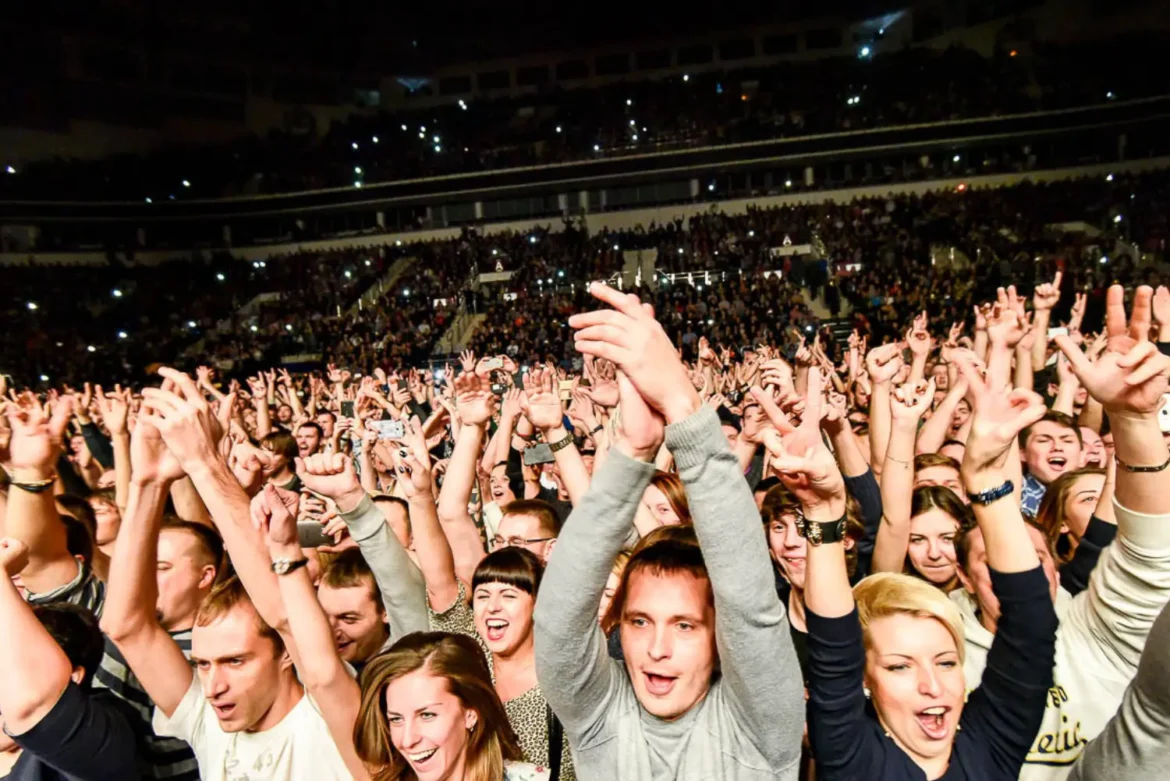
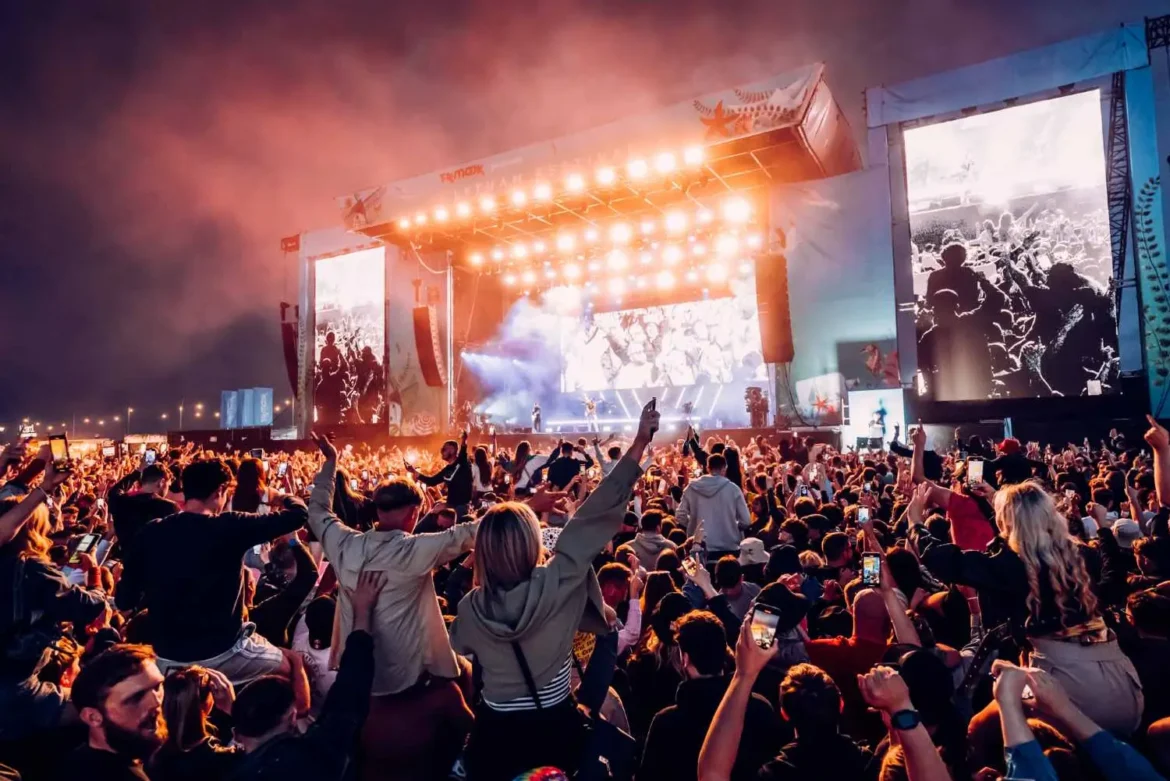
Live music festivals across the United Kingdom are experiencing renewed enthusiasm as audiences gather to celebrate music, culture, and community. These events bring together performers from diverse genres, offering audiences opportunities to experience both internationally recognized artists and emerging local talent. Festival grounds transform into vibrant cultural spaces where music lovers explore multiple stages, discover new performers, and share memorable experiences with friends and fellow fans. Iconic events such as Glastonbury Festival and Reading Festival attract visitors from across the country and beyond, contributing to the reputation of the United Kingdom as an important destination for live music. The return of large-scale festivals reflects the enduring appeal of shared musical experiences that bring people together in dynamic outdoor environments.

Modern festival production has evolved considerably, incorporating sophisticated technology that enhances both performance quality and audience engagement. Large stages feature powerful sound systems, advanced lighting rigs, and visual displays designed to complement musical performances. Lighting designers and stage engineers collaborate closely with performers to create immersive atmospheres that amplify the emotional impact of live music. Technological improvements allow organizers to coordinate complex stage transitions, ensuring that multiple performances can take place efficiently throughout the event. These technical advancements contribute to the overall spectacle of music festivals, transforming concerts into multi-sensory experiences that captivate audiences throughout the day and evening.

Digital communication and online platforms have also become important tools for festival promotion and audience interaction. Organizers use social media channels to announce artist lineups, share live updates, and engage directly with fans before and during events. Videos, photographs, and audience-generated content often circulate widely online, generating excitement and drawing attention to upcoming performances. Digital marketing campaigns allow festivals to reach international audiences who may travel to the United Kingdom specifically to attend major events. Online communities formed around music festivals contribute to a sense of anticipation that extends well beyond the festival grounds themselves. This digital presence helps sustain interest in live music culture throughout the year.

Pages: 1 2

Advertisement

Television in the United Kingdom continues to evolve as emerging actors, presenters, and performers attract increasing attention from audiences across the country. A new generation of talent is appearing in scripted dramas, reality competitions, and documentary series that reach viewers through both traditional broadcasts and online streaming platforms. These performers often build their reputations through a combination of stage work, television appearances, and digital media exposure. Major broadcasters such as BBC and ITV regularly introduce new faces to national audiences through casting initiatives that highlight emerging talent. As viewing habits change and new content platforms appear, television networks continue searching for performers capable of connecting with viewers through authentic and engaging performances.

Casting practices within the television industry have gradually become more inclusive and reflective of the United Kingdom’s diverse population. Producers and casting directors actively seek performers from different cultural, linguistic, and regional backgrounds to ensure that television stories represent contemporary British society. Diversity initiatives introduced by broadcasters and production companies encourage broader participation in auditions and talent development programs. This approach has expanded opportunities for individuals who might previously have struggled to gain visibility within the entertainment sector. By highlighting a wide range of voices and perspectives, television programs can present stories that resonate with audiences across different communities. These efforts also encourage emerging performers to pursue careers in television with greater confidence and support.

Advances in production technology have elevated the visual and technical quality of modern television programming. High-definition cameras, sophisticated lighting systems, and digital sound engineering allow producers to create visually impressive content that rivals cinematic productions. Studios located in cities such as London and Leeds host large-scale television productions equipped with advanced equipment and experienced technical crews. The integration of modern editing software and visual effects tools further enhances the storytelling potential of television series. These technical improvements contribute to immersive viewing experiences that encourage audiences to follow long-running shows and explore new genres.

Pages: 1 2

Advertisement

The film industry in the United Kingdom is experiencing a significant shift as digital technologies reshape how stories are created, produced, and distributed. Filmmakers are increasingly adopting advanced visual tools such as computer-generated imagery, motion capture systems, and digital editing platforms to expand the possibilities of cinematic storytelling. These technologies allow directors and production teams to construct detailed worlds, recreate historical settings, and visualize imaginative concepts that would have been difficult to achieve using traditional production methods alone. Studios and creative teams working in major production centres such as London and Manchester frequently collaborate with digital artists, animators, and software engineers to integrate sophisticated visual effects into modern film projects. The combination of creative vision and technological capability has transformed both the scale and complexity of productions. As a result, British cinema continues to evolve in ways that maintain its artistic traditions while embracing new technical possibilities.

One of the most visible developments in the modern film industry involves the use of virtual production environments. Instead of relying entirely on physical sets or distant filming locations, filmmakers now use digital environments displayed on large LED screens or integrated through post-production editing. These virtual stages allow production teams to simulate landscapes, cities, or even outer space while actors perform in controlled studio settings. This approach reduces logistical challenges and enables directors to experiment with camera angles, lighting, and scene composition in real time. Large production facilities such as Pinewood Studios and Shepperton Studios have expanded their technological capabilities to support these digital production methods. The growing availability of virtual production tools demonstrates how the industry is adapting to new filmmaking techniques while maintaining high standards of visual storytelling.

Streaming platforms have also transformed the distribution landscape for British films. Online viewing services allow audiences to access films and television productions from virtually any location with an internet connection. This shift has expanded opportunities for filmmakers to reach international audiences without relying exclusively on theatrical releases. Viewers now explore a wide range of genres, from historical dramas and documentaries to experimental independent projects. Digital distribution platforms also influence production decisions, as studios consider global audiences and diverse cultural interests when developing new projects. In addition, streaming services often collaborate directly with production companies to finance original films and series. This partnership model creates new pathways for creative storytelling while introducing audiences to fresh voices within the British film community.

Pages: 1 2

Advertisement

logo-new2

Disclaimer

This site is not intended to provide a diagnosis. Results may vary. This information is not intended to constitute a direct recommendation and should not be construed as such. It does not replace the advice or visit of a qualified professional. Consult a professional before taking any dietary supplement. The information provided should be used as ongoing lifestyle advice and does not replace a varied and balanced diet.

Contact information

Tempest Portal LTD
Moray house, 23 Great Titchfield St., London W1W 7PA, UK
[email protected]
+442088968531

All rights reserved © 2026