
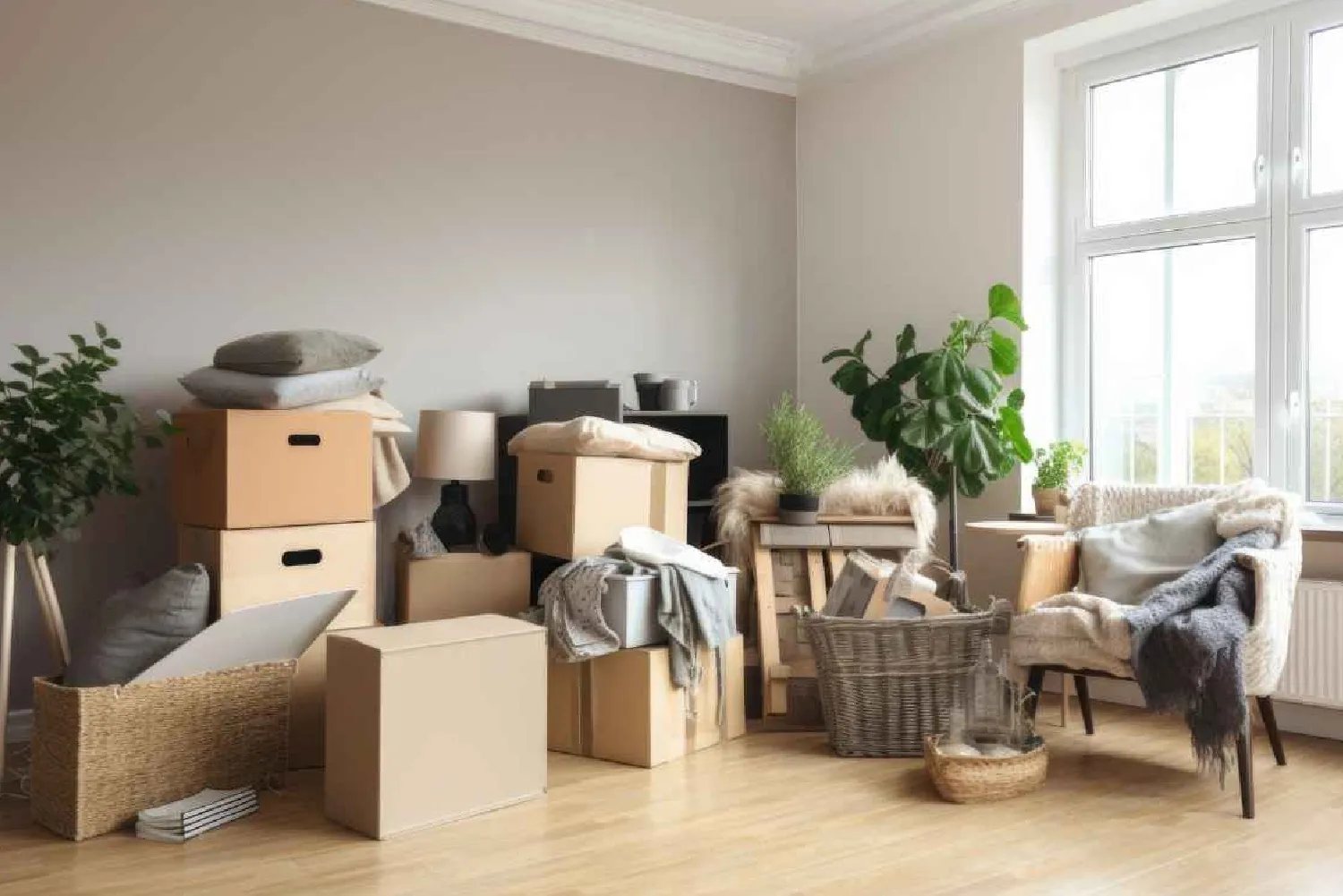
Maintaining an organised home environment can significantly improve daily comfort and productivity for residents throughout the United Kingdom. Living spaces that are orderly and functional create a sense of calm and allow individuals to focus more easily on work, leisure, and family activities. Organisation does not necessarily require large living spaces or expensive storage systems. Instead, thoughtful planning and consistent habits often provide the most effective solutions. Experts and publications such as Good Housekeeping Institute frequently highlight practical strategies for maintaining tidy and efficient homes. These strategies focus on simplifying possessions, structuring spaces, and establishing routines that prevent clutter from accumulating.
Advertisement
Decluttering represents the first and often most transformative step in home organisation. Over time, households tend to accumulate items that are rarely used or forgotten in storage areas. Regularly reviewing possessions allows residents to decide which items remain useful and which can be donated, recycled, or responsibly discarded. Many people adopt the habit of reviewing belongings seasonally or during household cleaning routines. Charity organisations such as British Heart Foundation accept donated items including clothing and household goods, allowing unused possessions to benefit others. Decluttering not only frees physical space but also simplifies everyday routines by reducing the number of items that require storage and maintenance.
Storage solutions play a key role in maintaining organised living spaces. Shelving units, drawer dividers, and labelled containers allow items to be grouped logically and accessed easily. Vertical storage options, including wall-mounted shelves or hanging organisers, help maximise limited space in smaller homes or flats. Multi-functional furniture such as ottomans with hidden compartments or beds with storage drawers provides additional capacity without increasing clutter. By assigning specific locations to frequently used objects, residents reduce the likelihood of misplaced items and unnecessary searching.