
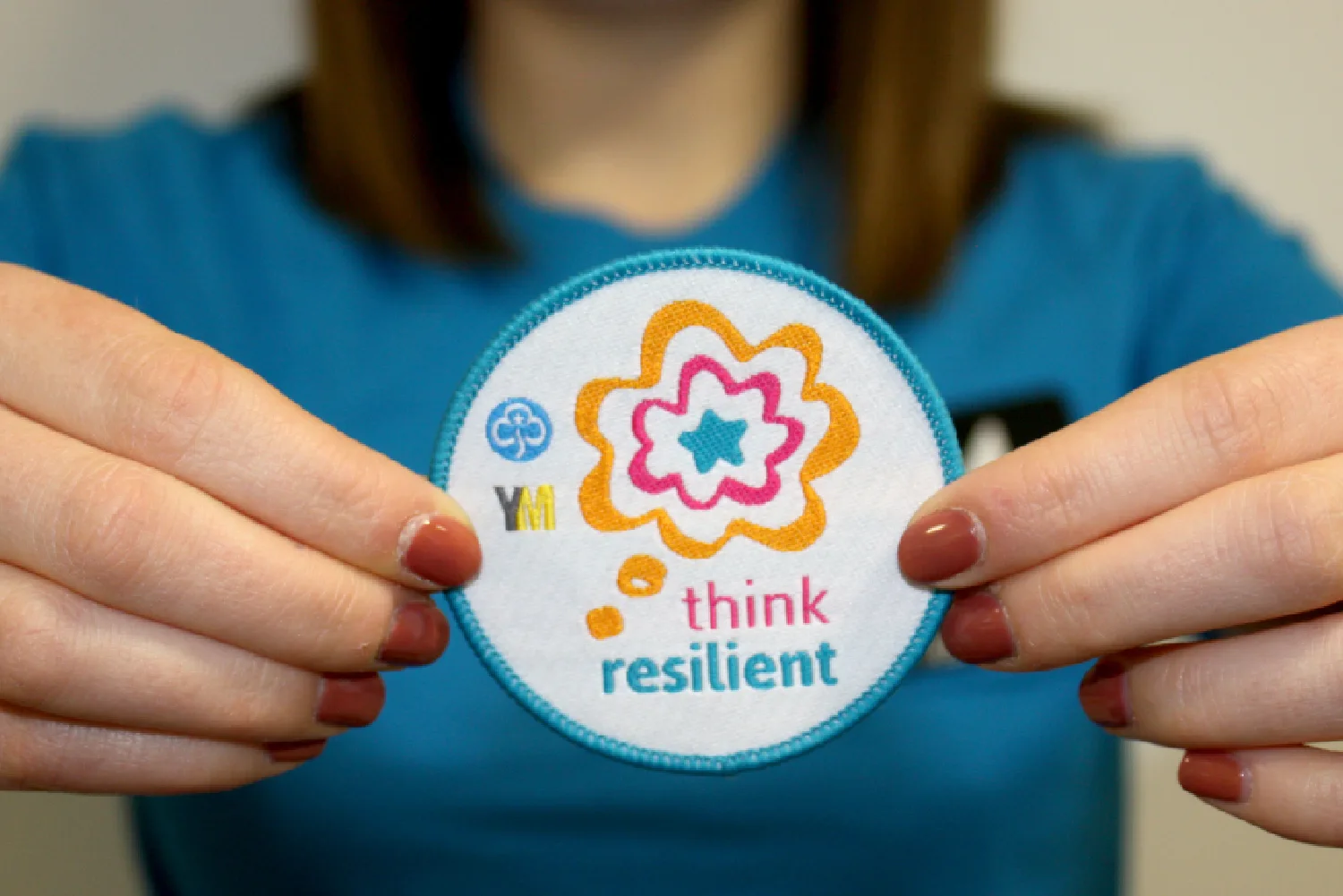
Managing stress has become a key focus of modern health guidance. Many individuals face pressures related to work, education, and family responsibilities, which can affect emotional wellbeing if not addressed effectively. Stress management techniques such as mindfulness, breathing exercises, and time-management strategies are increasingly integrated into personal routines. Mindfulness practices encourage individuals to focus on the present moment, reducing the mental strain caused by constant multitasking or worrying about future events. Structured daily planning also helps individuals prioritise tasks and create manageable schedules. By developing practical coping strategies, people are better equipped to navigate challenges while maintaining emotional balance.
Advertisement
Professional support services play an important role when individuals require additional guidance. Access to trained therapists, counsellors, and mental health professionals provides personalised support tailored to specific concerns. In the United Kingdom, services provided by National Health Service include mental health assessments, counselling options, and specialised programmes designed to support individuals experiencing emotional difficulties. Seeking professional advice is increasingly recognised as a constructive step rather than a sign of weakness. As public attitudes evolve, more people feel comfortable reaching out for guidance that helps them better understand and manage their mental health.
Public education campaigns continue to address stigma and encourage open conversations about emotional wellbeing. Community workshops, educational programmes, and media initiatives aim to improve understanding of mental health topics and promote empathy within society. Schools often include wellbeing discussions in their curricula, helping young people develop awareness of emotional resilience from an early age. Employers are also introducing workplace wellbeing programmes designed to support staff members through flexible policies, mental health training, and employee assistance services. These combined efforts contribute to a broader cultural shift in which mental wellbeing is recognised as an important part of overall health. By integrating education, support services, and healthy daily habits, the United Kingdom continues to strengthen its approach to mental wellbeing across the population.