
The theatre tradition in the United Kingdom has long been recognized for its rich cultural heritage, but in recent years it has begun adapting in notable ways to meet the expectations of contemporary audiences. Modern theatre producers and playwrights are exploring a wider range of themes that reflect current social conversations, technological developments, and evolving cultural perspectives. While classical plays by historic writers remain an important part of the repertoire, many theatres are presenting new works that experiment with narrative structure and stage presentation. This balance between tradition and innovation allows audiences to appreciate both established dramatic works and fresh storytelling approaches. Major theatre districts such as those found in London continue to attract global attention for their productions, yet creative experimentation is happening across the country. Theatre companies increasingly focus on inclusive storytelling that resonates with audiences from different backgrounds and age groups. By integrating contemporary perspectives into traditional theatrical frameworks, the UK theatre community continues to evolve while maintaining its cultural significance.
Advertisement
Regional theatres have become particularly important in supporting the growth of creative experimentation. Outside the well-known stages of central London, theatres in cities such as Bristol and Leeds have built strong reputations for producing innovative performances and supporting emerging artists. These venues often provide opportunities for new playwrights, directors, and performers to present work that might not yet appear on larger commercial stages. Smaller theatres tend to foster close relationships with their audiences, creating spaces where storytelling can feel more intimate and community-focused. Productions in regional theatres frequently address social issues, local history, or cultural identity, encouraging audiences to reflect on experiences that shape their communities. This local engagement helps theatre remain relevant while nurturing a diverse range of artistic voices.
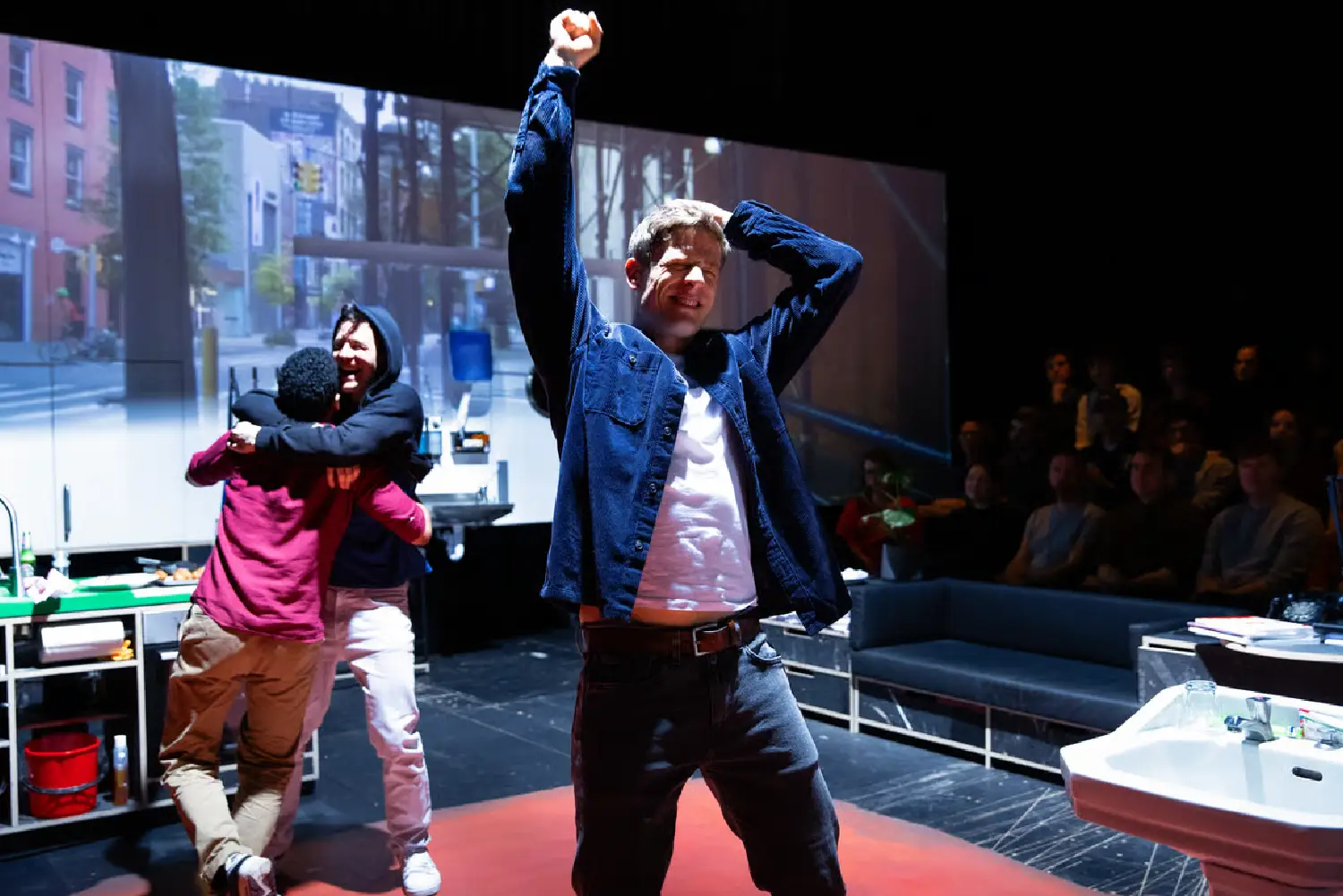
Technological innovation has also influenced how theatrical performances are presented. Lighting design, digital projections, and immersive sound systems have expanded the visual and emotional possibilities of live performances. Directors increasingly use multimedia elements to enhance stage environments, allowing actors to interact with projected imagery or digitally created settings. These tools help transform traditional stage spaces into dynamic environments capable of supporting complex narratives. At major venues such as Royal National Theatre, technical teams collaborate with designers and directors to experiment with creative staging concepts that integrate digital components into live performance. The integration of technology does not replace the essential human connection between performer and audience, but it does add new layers of artistic expression that enrich the theatrical experience.