
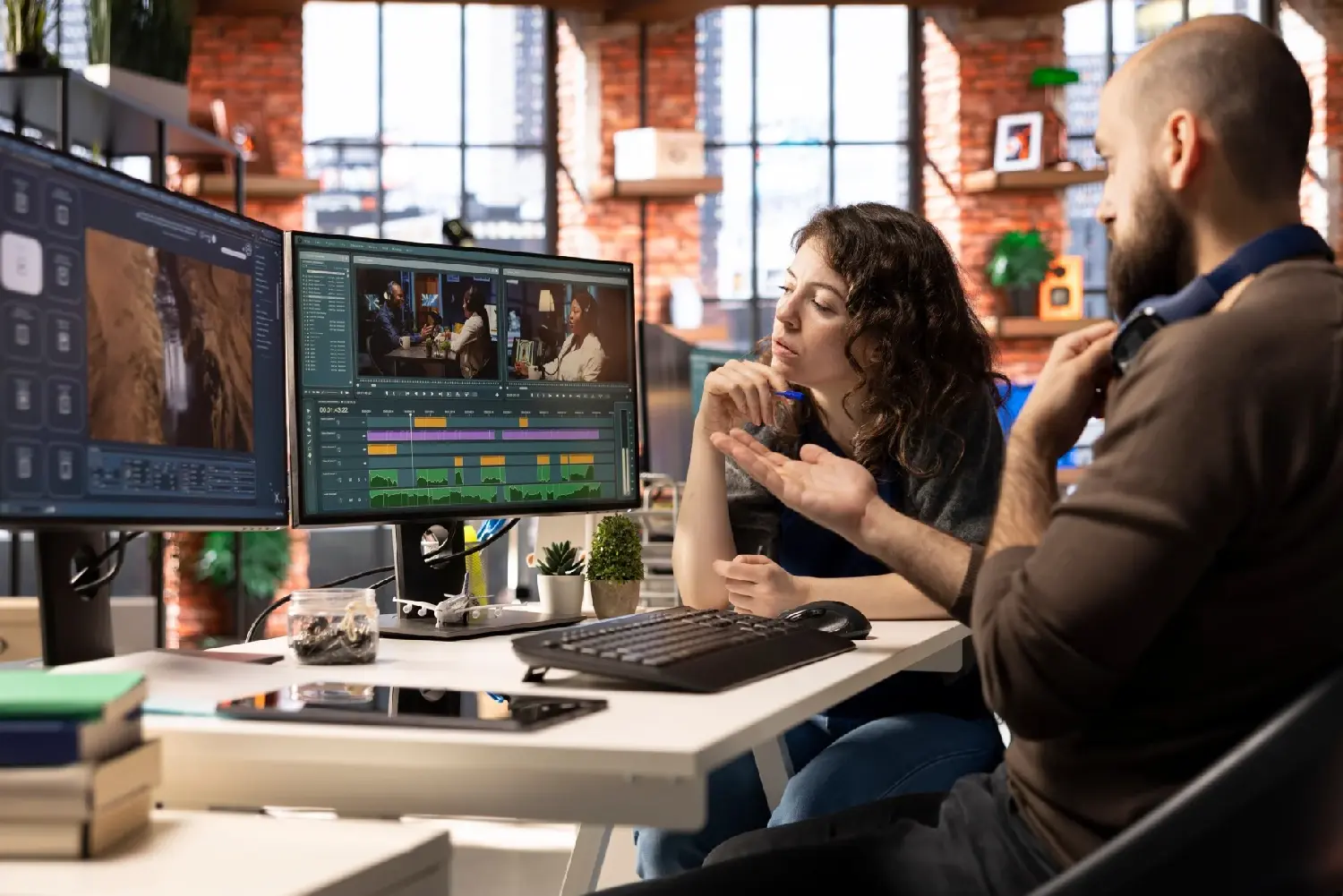
The film industry in the United Kingdom is experiencing a significant shift as digital technologies reshape how stories are created, produced, and distributed. Filmmakers are increasingly adopting advanced visual tools such as computer-generated imagery, motion capture systems, and digital editing platforms to expand the possibilities of cinematic storytelling. These technologies allow directors and production teams to construct detailed worlds, recreate historical settings, and visualize imaginative concepts that would have been difficult to achieve using traditional production methods alone. Studios and creative teams working in major production centres such as London and Manchester frequently collaborate with digital artists, animators, and software engineers to integrate sophisticated visual effects into modern film projects. The combination of creative vision and technological capability has transformed both the scale and complexity of productions. As a result, British cinema continues to evolve in ways that maintain its artistic traditions while embracing new technical possibilities.
Advertisement
One of the most visible developments in the modern film industry involves the use of virtual production environments. Instead of relying entirely on physical sets or distant filming locations, filmmakers now use digital environments displayed on large LED screens or integrated through post-production editing. These virtual stages allow production teams to simulate landscapes, cities, or even outer space while actors perform in controlled studio settings. This approach reduces logistical challenges and enables directors to experiment with camera angles, lighting, and scene composition in real time. Large production facilities such as Pinewood Studios and Shepperton Studios have expanded their technological capabilities to support these digital production methods. The growing availability of virtual production tools demonstrates how the industry is adapting to new filmmaking techniques while maintaining high standards of visual storytelling.
Streaming platforms have also transformed the distribution landscape for British films. Online viewing services allow audiences to access films and television productions from virtually any location with an internet connection. This shift has expanded opportunities for filmmakers to reach international audiences without relying exclusively on theatrical releases. Viewers now explore a wide range of genres, from historical dramas and documentaries to experimental independent projects. Digital distribution platforms also influence production decisions, as studios consider global audiences and diverse cultural interests when developing new projects. In addition, streaming services often collaborate directly with production companies to finance original films and series. This partnership model creates new pathways for creative storytelling while introducing audiences to fresh voices within the British film community.