
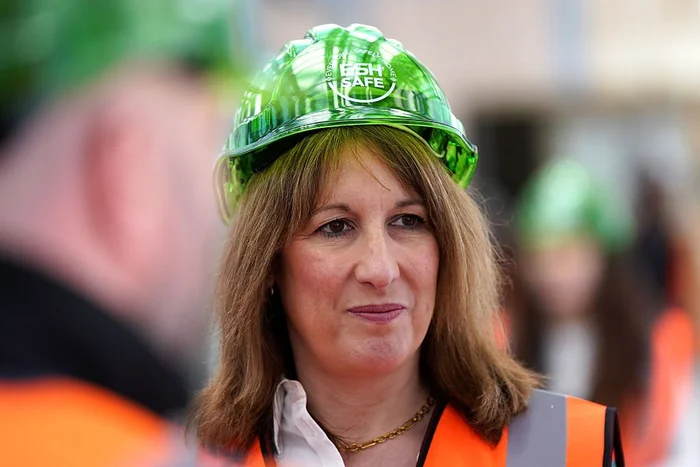
The policy was first introduced under the previous Conservative government, but Chancellor Rachel Reeves has extended the freeze until 2031. According to official forecasts, income tax receipts are expected to rise sharply in the years ahead, with millions more workers being pulled into higher bands.
Advertisement
For many households, this creates a frustrating situation: wages may rise, but take-home pay does not keep pace. What looks like a pay increase can quickly be swallowed by higher taxes, inflation, rent, mortgage payments and everyday bills.
By 2030–31, projections suggest that millions more people could be paying higher rates of tax compared with previous decades. The number of higher-rate taxpayers has already grown significantly since the freeze began.
Critics argue that this is a stealth tax — because the Government does not need to announce a direct income tax rise for people to end up paying more.
For ordinary Britons, the key question is simple: if wages are rising but living standards are not, who is really benefiting?