
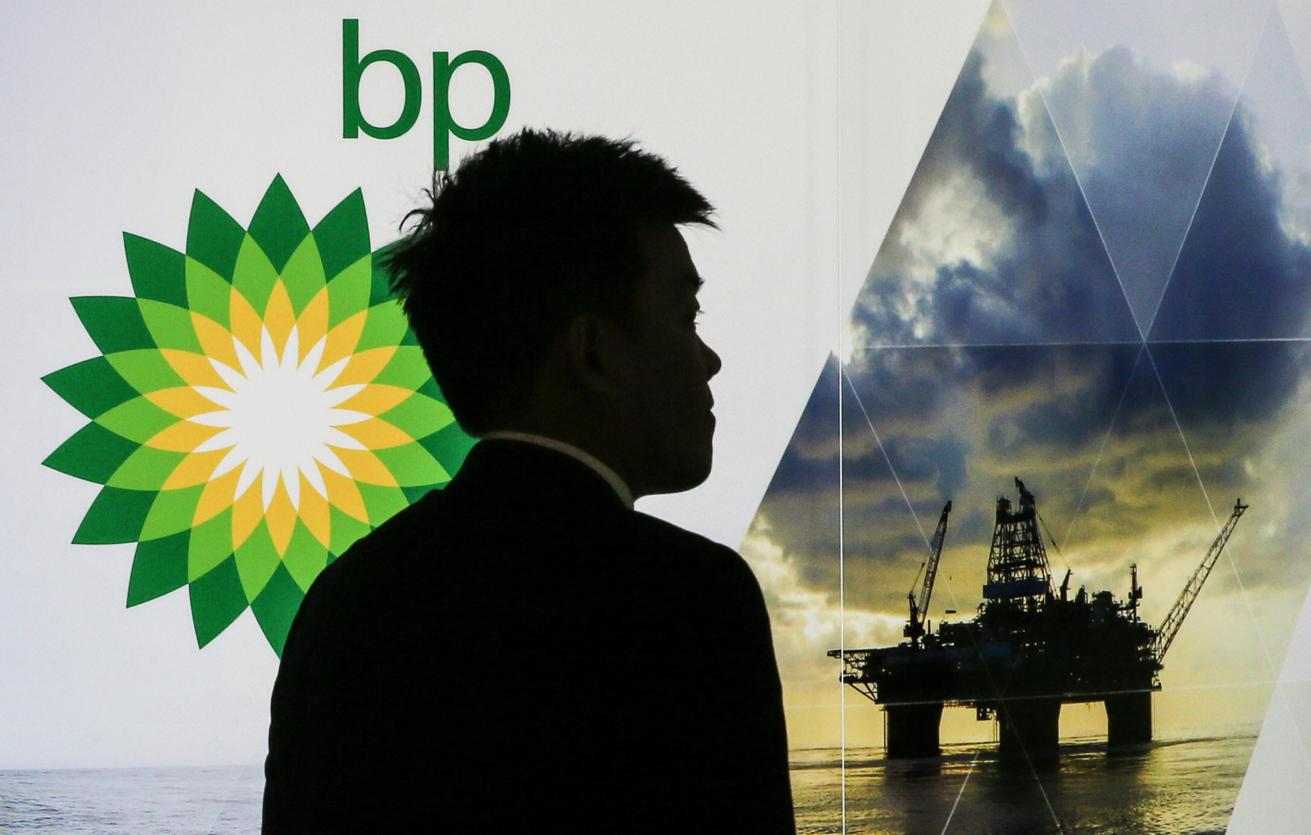
For years, BP worked hard to present itself as one of the most ambitious oil majors in the energy transition. The company spoke frequently about renewables, low-carbon businesses and a gradual move away from fossil fuels.
Advertisement
Now, the tone has changed.
BP is once again making oil and gas the centre of its growth strategy — and it is backing that shift with billions of dollars. The British energy giant has increased planned investment in its upstream oil and gas business by around 20%, targeting roughly $10 billion a year through 2027, while narrowing spending on transition businesses to $1.5–2 billion annually over the same period.
This is not a minor adjustment. It is a strategic reset.
At a time of volatile energy markets, rising geopolitical uncertainty and growing questions over how quickly the world can realistically move away from hydrocarbons, BP appears to be making a pragmatic calculation: oil and gas are still where the strongest near-term cash flows may be found.
A major shift after years of green ambition
BP’s strategy changed decisively in 2025, when the company announced a broad reset aimed at improving shareholder returns, reallocating capital and focusing on what it described as its “highest-returning businesses”. The message was clear: BP would become more selective in low-carbon investment and place greater emphasis on oil, gas and cash generation.
The company has not abandoned the energy transition entirely. It still invests in biofuels, electric vehicle charging, biogas and selected low-carbon projects. But these areas are now being approached with tighter discipline and a stronger focus on returns.
Meanwhile, BP’s oil and gas portfolio has been given fresh priority.
The company says it expects “continuing robust demand for oil and gas to 2035”, including strong natural gas demand in several key markets. Its own Energy Outlook also indicates that oil demand may remain broadly stable over the next decade under its Current Trajectory scenario, even as renewable energy continues to grow rapidly.
That matters because BP is not simply defending existing assets. It is actively expanding its next wave of oil production.
The US Gulf becomes central to BP’s new oil push
The clearest example of BP’s renewed confidence in hydrocarbons is unfolding in the US Gulf.
The company has approved two major deepwater developments: Kaskida and Tiber-Guadalupe. Together, BP expects to invest around $10 billion to deliver these Paleogene projects in the Gulf of America.
Kaskida was approved in 2024 and is planned as BP’s sixth operated production hub in the region. Tiber-Guadalupe, approved in September 2025, is set to become its seventh. BP views both projects as central to a broader strategy of growing higher-margin production and improving the quality of its upstream portfolio.
In March 2026, the Kaskida development received US approval to move ahead, with first oil expected later in the decade. The project has become one of the most closely watched signals that BP is prepared to commit substantial capital to new oil supply despite the broader political and market debate around the energy transition.
For BP, the logic is straightforward: large deepwater projects can offer long production lives, significant volumes and potentially attractive margins if oil prices remain supportive.
Why BP is willing to lean back into oil
The decision reflects a wider truth about global energy markets. The transition is happening — but it is not happening evenly, and it is not removing the need for oil and gas overnight.
Transport electrification is advancing. Renewables are growing. Governments are setting decarbonisation targets. Yet heavy industry, aviation, petrochemicals, shipping and large parts of the global economy still depend heavily on hydrocarbons.
BP’s Energy Outlook 2025 says oil remains the single largest source of primary energy supply through much of the outlook under its Current Trajectory scenario. It also suggests that oil demand is broadly flat during the first half of the outlook before declining later, rather than collapsing suddenly.
That nuance is important.
BP appears to be betting not on a world without energy transition, but on a world in which oil and gas remain commercially crucial for longer than some investors previously assumed.
And if that assumption proves correct, companies with strong upstream assets, lower-cost barrels and disciplined spending may be positioned to generate substantial cash flow.