Home News
Category:

News

Advertisement

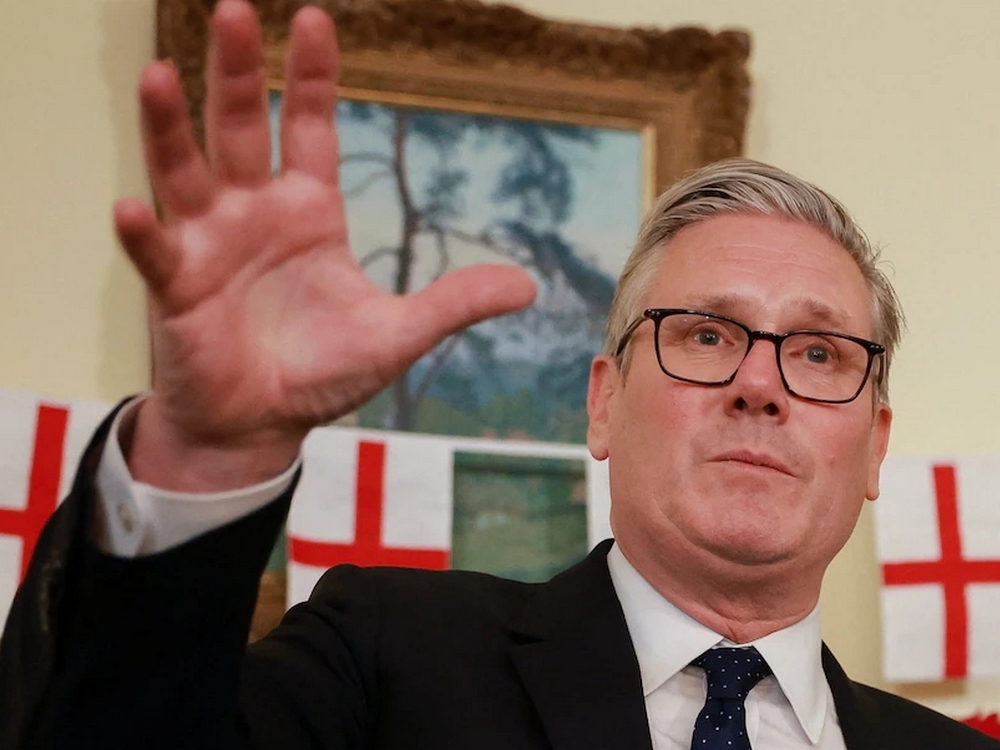
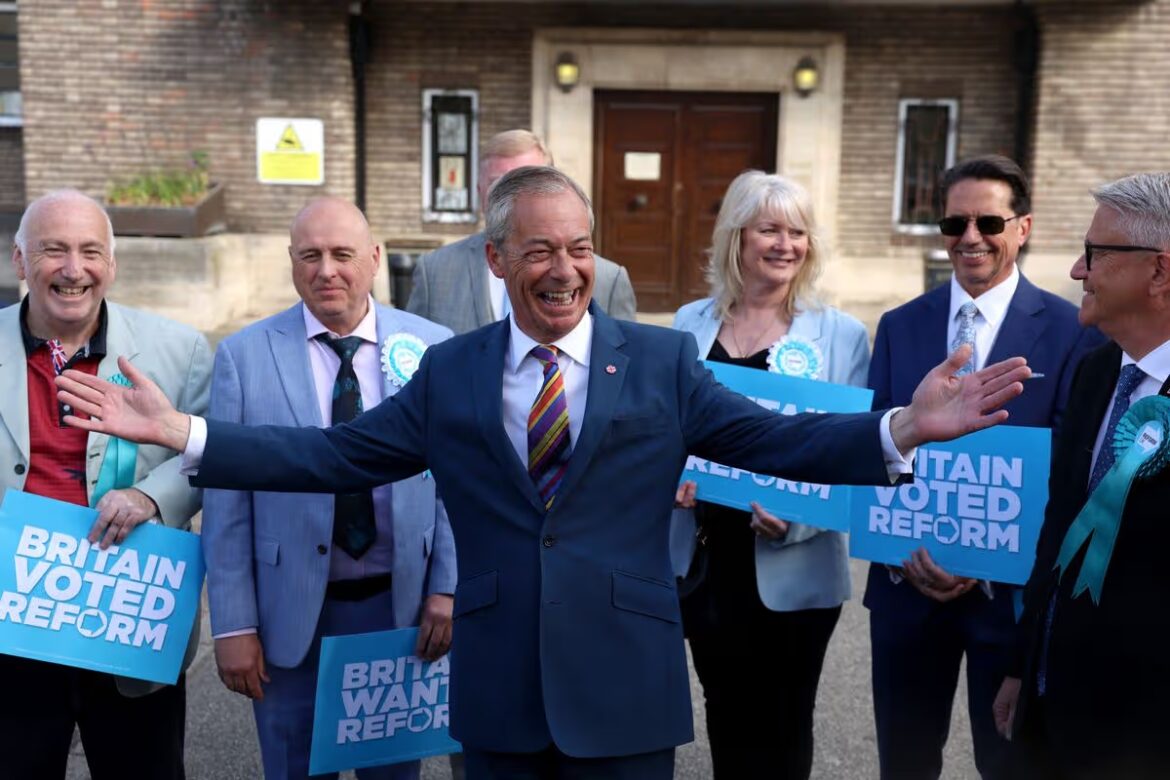
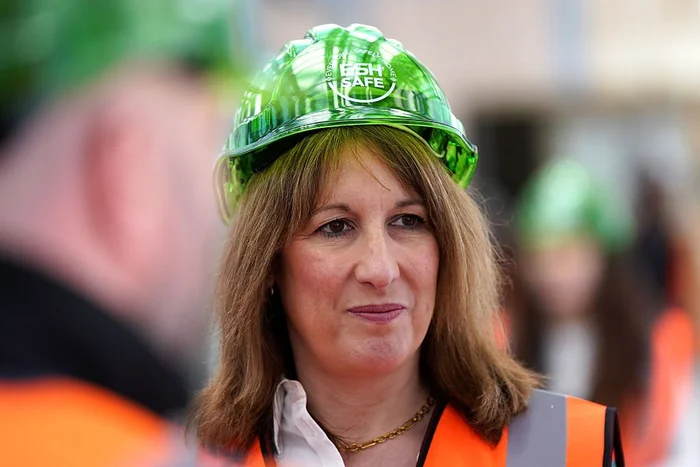
A secret strategy document is reportedly being shared among council staff in areas now controlled by Reform UK, as officers brace themselves for instability, budget disputes and pressure to abandon existing policies.

The leaked briefing, seen by The Tempest Portal, is said to have been circulated among officers working across the 14 councils taken by Reform in this year’s local elections.

Its message is stark: council professionals should be prepared for sudden reversals, external political pressure and instructions that may come from far beyond the town hall.

According to the paper, decisions in some Reform-run authorities on council tax, flag policies, cabinet responsibilities and public statements have not always come directly from elected local leaders.

Instead, the document claims, guidance has at times been driven by national party advisers, MPs or social media messages from senior Reform figures.

The briefing reportedly warns that inexperienced council leaders can feel compelled to follow central party instructions, even though local authorities are legally independent and must make decisions according to their own statutory duties.

Staff warned to prepare for instability

The document is understood to draw on the experiences of officers in 10 councils that Reform previously took control of.

It warns that some authorities could face an exodus of experienced employees as political tensions grow and major structural changes hit local government.

But it also sets out ways council officers may be able to protect projects that Reform administrations have pledged to cut.

Behind the scenes, staff are reportedly being advised to reframe controversial policy areas using language more acceptable to Reform councillors.

Climate change schemes, for example, could be presented as environmental stewardship, resilience or flood prevention.

Net Zero initiatives could be described as environmental maintenance, while diversity and equality programmes may be repackaged as fairness or community cohesion.

The goal, according to the briefing, is not to mislead elected members, but to ensure legally required and locally beneficial work does not disappear simply because certain terms have become politically toxic.

In one striking example, the paper claims that a Reform-controlled council ultimately delivered more environmental work than previous administrations after officers adopted this approach.

Council reportedly resisted pressure over tax cuts

The alleged briefing also points to a confrontation over council tax.

One local leadership team is said to have resisted pressure from Reform headquarters to cut council tax below what officers considered financially sustainable.

The council stood firm, the document claims, and was ultimately respected for doing so.

The paper reportedly warns that tensions are now emerging not only between Reform-run councils and other local bodies, but also within Reform administrations themselves.

It claims some councillors are beginning to find that promises made at national level do not always align with the financial and legal realities facing their own communities.

The briefing states: “Instability is common,” before warning officers that a decision agreed during the week may suddenly change following contact with national party figures over the weekend.

Pages: 1 2

Advertisement

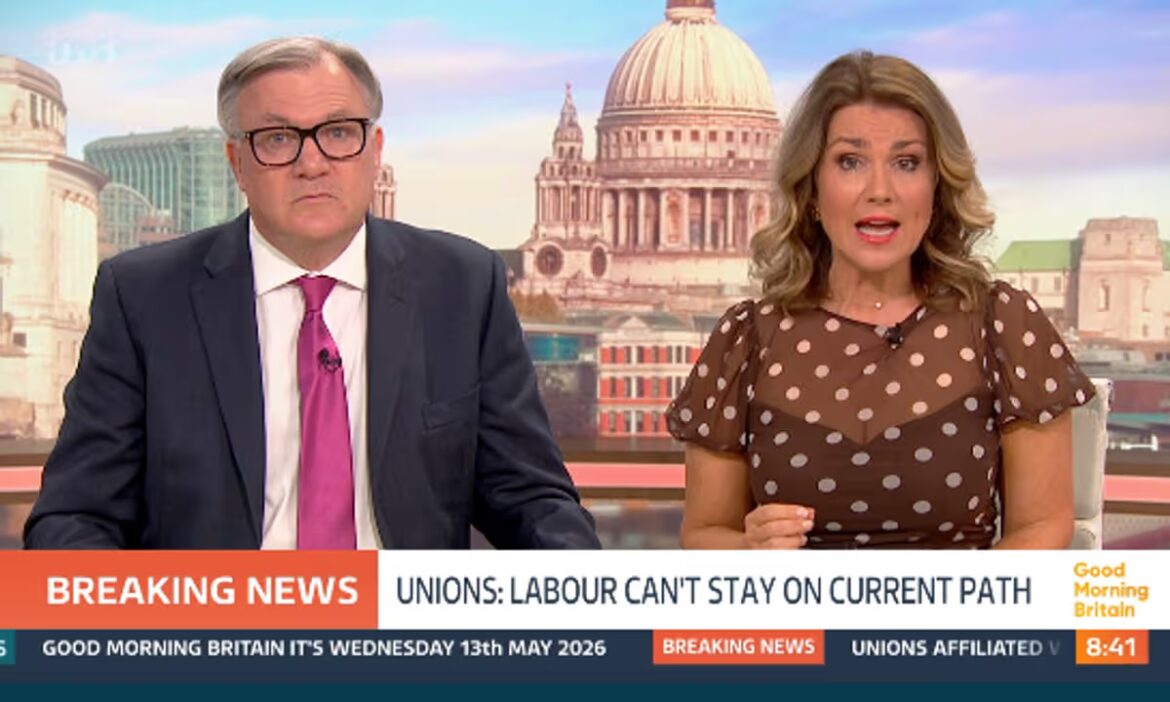
The ITV daytime programme had only just returned from an advertising break when Susanna Reid told viewers that breaking news had emerged within the previous few minutes.

According to the presenter, 11 trade unions affiliated with the Labour Party had released a statement casting serious doubt over Keir Starmer’s ability to remain leader ahead of the next general election.

Reading from the statement, Susanna said the unions believed it was now clear that the Prime Minister would not take Labour into the next national vote and that arrangements would need to be made for the party to choose a successor.

The announcement came amid further speculation after Wes Streeting was seen entering Downing Street for talks with the Prime Minister.

At the same time, King Charles was preparing to deliver the King’s Speech, outlining the Government’s planned legislation for the forthcoming parliamentary session. But on the ITV sofa, attention quickly turned to the growing pressure surrounding Mr Starmer’s leadership.

Susanna and Ed were joined by Nick Thomas-Symonds, the Paymaster General and Minister for the Cabinet Office, as they questioned him about the apparent crisis unfolding within Labour.

Ed did not hold back as he listed the mounting problems facing the Prime Minister.

He pointed to reports that 90 MPs wanted Mr Starmer to step aside, alongside four ministerial resignations and criticism from council leaders. He then raised the unions’ reported intervention, asking whether the situation had become impossible for the Labour leader to survive.

Ed asked whether the only remaining question was not if Mr Starmer would go, but when he would announce his departure.

Pages: 1 2

Advertisement

It was meant to be a smooth first appearance.

A polished new chief executive. A carefully prepared message. A familiar corporate script about stability, strategy and the road ahead.

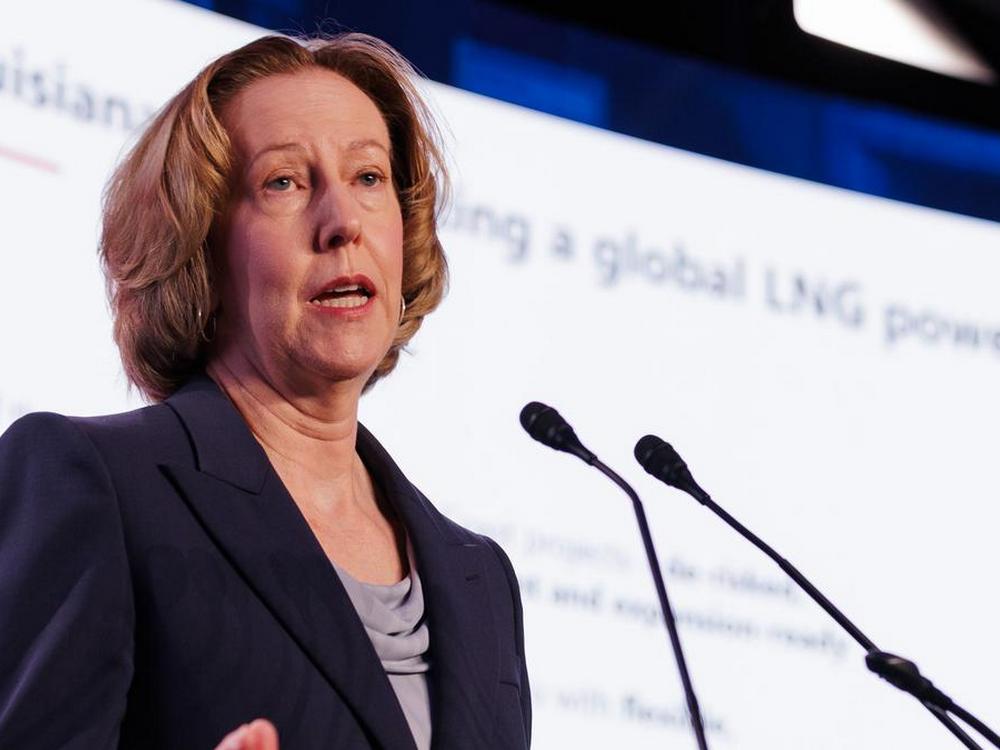
But Meg O’Neill’s first public turn at BP did not land like a celebration. It landed like a warning.

Within moments, the tone shifted. This was not the usual soft-focus language of a new boss settling into the chair. It was sharper, colder and far more serious than many expected.

And that is why one line from the address has started attracting attention.

  • Not because it was shouted.
  • Not because it was dramatic.
  • But because it sounded like the kind of sentence that reveals more than it was supposed to.

The line that changed the mood

Every major company tries to control its first impression when a new chief executive takes over.

The lighting is right. The words are measured. The message is usually simple: we are confident, we are prepared, and everything is under control.

But O’Neill’s opening message carried a different charge.

By referring to a difficult and unstable environment, she instantly moved the conversation away from corporate optimism and towards something much more uncomfortable: pressure.

For investors, that sort of language matters. Markets are trained to listen not only to what executives say, but to what they appear to be preparing people for.

And this did not sound like a victory lap.

It sounded like a company bracing itself.

This was not the launch BP expected

There was no open confrontation. No explosive row. No dramatic admission.

But the atmosphere around the remarks felt tense enough to become a story on its own.

It had the quality of a live broadcast moment — the kind where everyone in the studio hears the same sentence and immediately starts wondering what it really means.

Was this just corporate honesty?
Or was it a warning from the top that BP’s next chapter could be far tougher than the public has been told?

That is the question now hanging over the company.

A new boss, but not a quiet start

O’Neill is taking charge at one of the most sensitive moments for BP in years.

The company is under pressure from shareholders. The energy market is shifting. Investors want cleaner numbers, firmer direction and fewer vague promises about the future.

They want to know whether BP will move faster.
Whether it will cut harder.
Whether it will lean back into oil and gas.
And whether the company’s next strategy will be driven by idealism — or cold commercial reality.

Against that backdrop, her first public message was never going to be just a greeting.

It became a signal.

Pages: 1 2

Advertisement

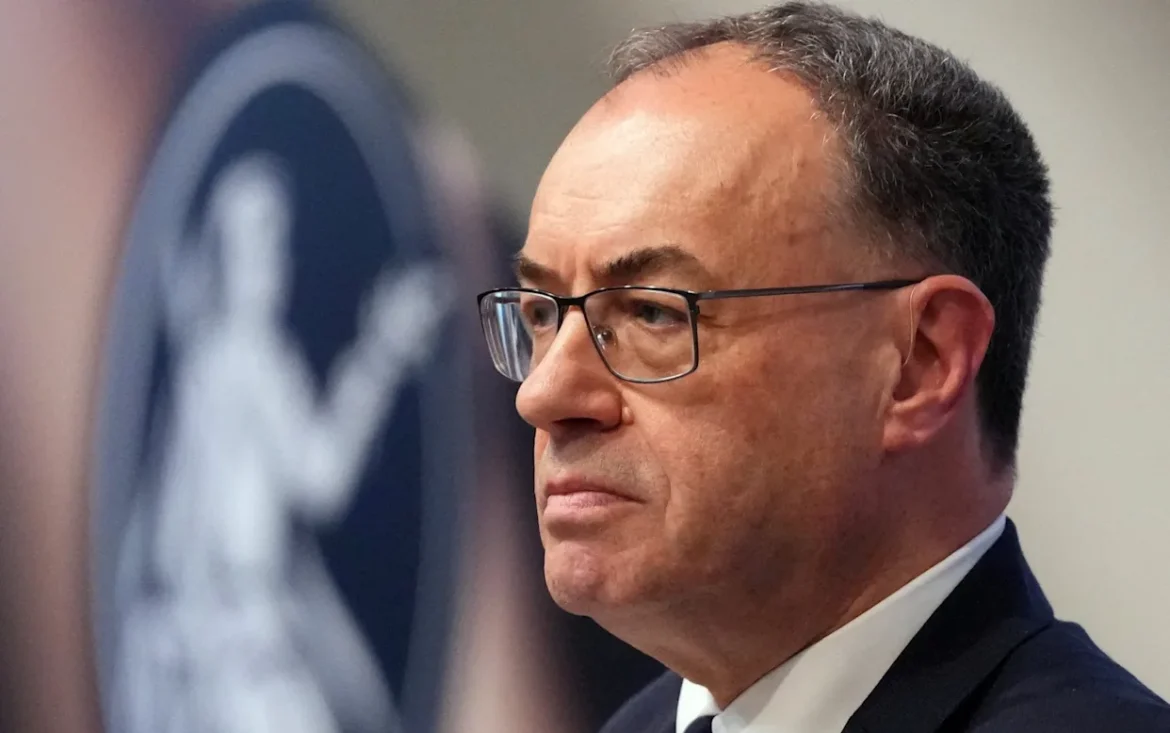
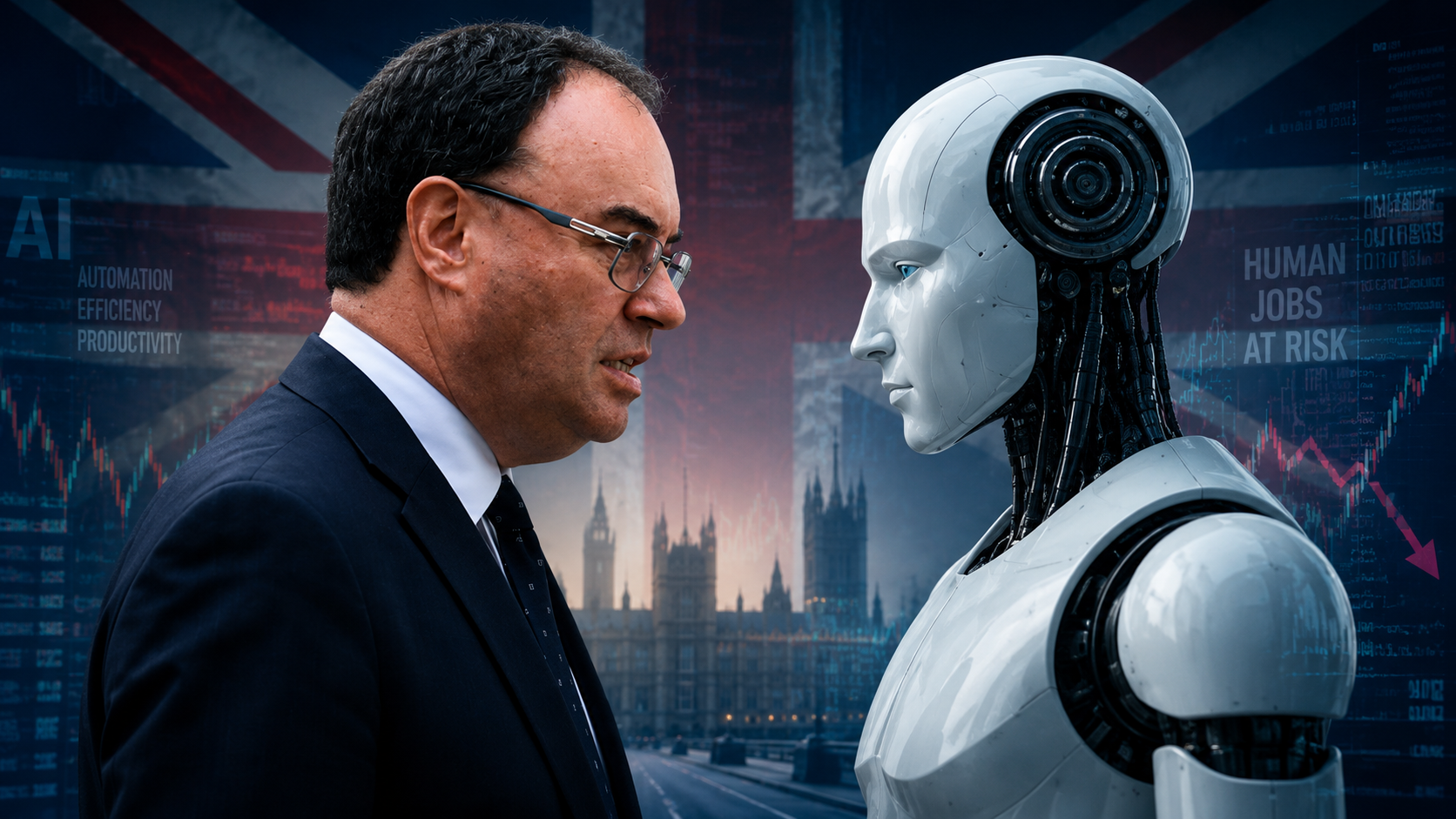
Speaking amid growing concern about the future of work, Bailey said the rapid development of AI and automation is already changing how companies operate, with businesses increasingly turning to machines and digital systems to perform tasks once handled by employees.

His comments were echoed by HSBC chief executive Georges Elhedery, who said generative AI would inevitably remove some roles while also creating new ones. He urged employees not to resist the shift, but to adapt to the changes and use the technology to become more productive.

The debate intensified after Standard Chartered chief executive Bill Winters faced criticism for suggesting that new technology would replace what he described as the bank’s “lower-value human capital”. The remark came as the bank confirmed plans to cut nearly 8,000 jobs.

Halimah Yacob, the former president of Singapore, where Standard Chartered has a major operational presence, called the phrase troubling. James Reed, chairman of recruitment firm Reed, also criticised the wording, saying many workers would be alarmed to hear people described in such a way.

Reed said employees, especially younger workers entering the labour market, are already worried about the rise of AI. He added that companies should handle the transition more carefully and show greater responsibility towards their staff.

Bailey made his comments while giving evidence to MPs on the Treasury Select Committee. He said AI could bring major disruption to the labour market sooner than expected.

According to Bailey, the technology has the ability to remove jobs altogether, particularly in areas such as customer service, where chatbots and automated systems are already replacing human interaction. However, he also noted that AI could create new types of work, including roles linked to data science and technology management.

Bailey compared the rise of AI with previous technological revolutions such as electricity, steam power and the internet. Those innovations transformed economies over long periods of time, often taking decades to fully reshape industries. But he warned that AI may have a faster impact because the technology is advancing at such speed.

Pages: 1 2

Advertisement

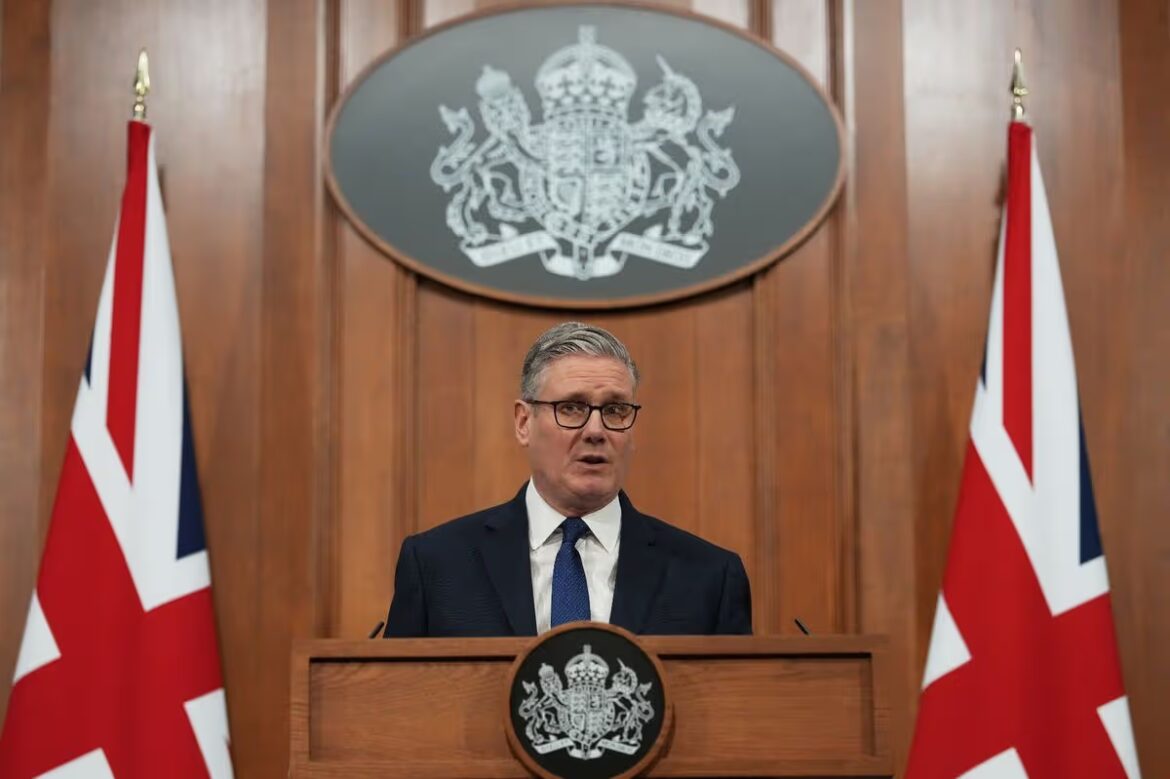
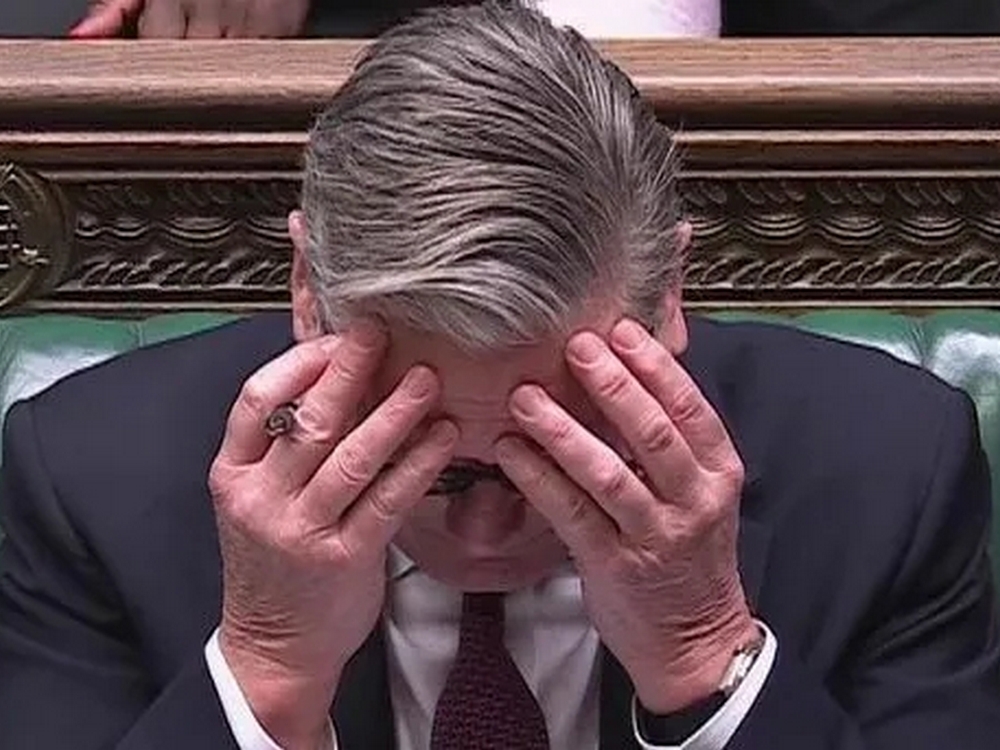
Britain’s Prime Minister Keir Starmer is facing a fresh wave of political pressure, as opposition leaders and senior lawmakers demand his resignation following a series of scandals and internal government conflicts. The calls for his departure have intensified in recent weeks, with critics accusing Starmer of mishandling key appointments, failing to control leaks, and allowing personal relationships to overshadow proper vetting procedures in the Foreign Office and beyond.

At the centre of the latest controversy is the sacking of Ollie Robbins, a powerful deputy foreign minister, after a series of clashes with the Prime Minister’s inner circle. Robbins has accused Downing Street of using him as a scapegoat and claimed he was forced out after resisting political interference in sensitive diplomatic matters. His sudden dismissal has sparked accusations of cronyism and a lack of transparency, with opposition MPs arguing that Starmer must take responsibility for what they describe as a “chaotic” government culture.

The row has also reignited the long‑running debate over Peter Mandelson’s controversial appointment as ambassador to the United States. Mandelson, a close friend of the prime minister, has been dogged by renewed questions over his vetting and past associations, including links to the Jeffrey Epstein case. Critics say that Starmer’s decision to appoint him without full disclosure has damaged the government’s credibility and fuelled claims that top roles are being handed out to allies rather than the most qualified candidates.

Pages: 1 2

Advertisement

Millions of UK workers could find themselves paying more income tax in the coming years — even if the Government does not officially raise the headline tax rates.

The reason is a policy known as fiscal drag. It happens when tax thresholds stay frozen while wages rise. On paper, workers may appear to be earning more. In reality, many are simply being pulled into higher tax bands while the cost of living continues to bite.

The personal allowance remains fixed at £12,570, while the higher-rate threshold is still set at £50,270. The additional-rate threshold was cut from £150,000 to £125,140 in 2023 and has remained there.

That means ordinary pay rises can quietly push people into paying more tax — without them necessarily feeling any better off.

Pages: 1 2

Advertisement

We’ve all seen the posts. They claim to show “banned” interviews where the former PM reveals a Bank of England money-making miracle. It’s total rubbish. What the clips actually show is the exact moment the richest man in Westminster finally lost his grip on reality.

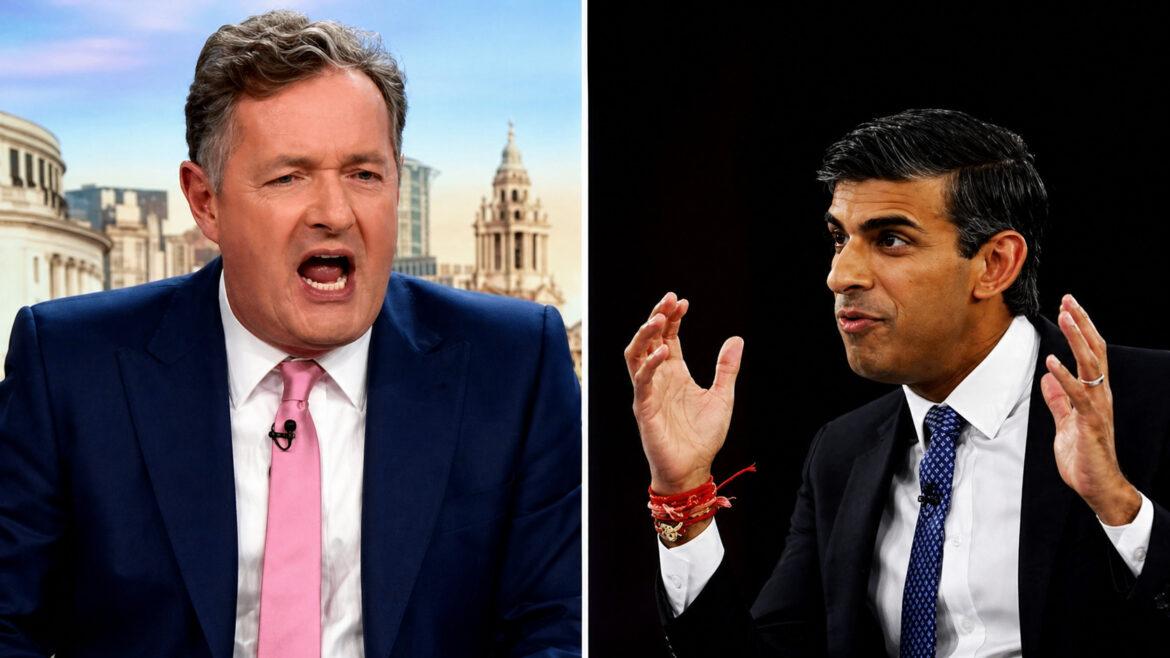
It all started when Rishi sat down with Piers Morgan. For most of us, £1,000 is a mortgage payment or a year’s worth of grocery hikes. For Rishi, it was just small change for a televised flutter.

When Morgan pressed him on his staggering wealth—asking if he was “stinking rich”—the PM squirmed, calling himself merely “financially fortunate.” It was a bit like a shark calling itself “slightly toothy.” With a family fortune of £651 million, he wasn’t just fortunate; he was living on a different planet to the voters watching their pennies at the checkout.

But the real firestorm came with that infamous handshake. While the NHS groaned under record backlogs and families struggled with the cost-of-living crisis, the Prime Minister decided to turn the nation’s asylum policy into a game-show gamble.

Pages: 1 2

Advertisement

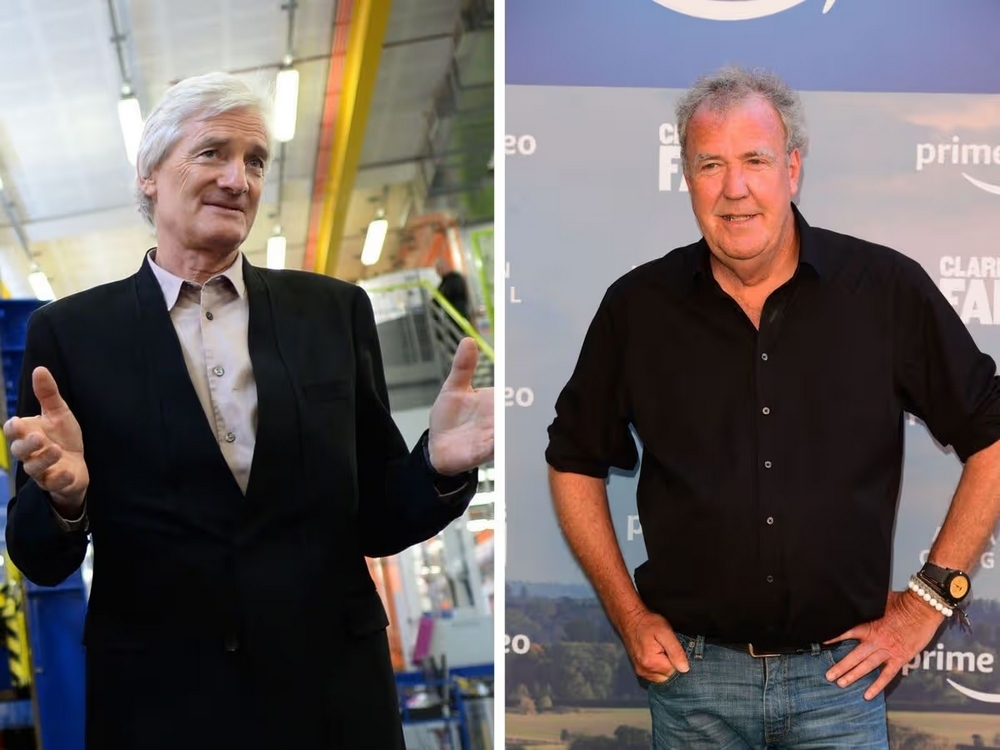
The studio floor was still white-hot after what viewers are already calling the “clash of the titans.” It started as a routine chat, but it ended with a television explosion that has sent shockwaves from the TV studios to the City of London. In one corner, the unfiltered voice of the British public, Jeremy Clarkson. In the other, the billionaire king of tech, James Dyson.

The internet wanted a secret AI scandal. What Britain actually got was something far more explosive: Jeremy Clarkson, Sir James Dyson, furious farmers, Westminster protests and a tax row that exposed one of the deepest divides in modern Britain.

For days, strange posts and recycled clips tried to turn Sir James Dyson into the centre of a mysterious technology drama.

The claim was simple, dramatic — and deeply suspicious. According to online whispers, Dyson had supposedly revealed a secret AI-powered platform, backed by powerful financial interests, while Jeremy Clarkson allegedly erupted in fury over the impact it could have on British workers.

It sounded like the perfect viral scandal: a billionaire inventor, a celebrity firebrand, artificial intelligence, hidden money and the future of jobs.

But there was one major problem.

There is no verified evidence of a televised Clarkson-versus-Dyson clash over a secret AI platform.

In fact, Dyson has previously warned the public about fake online schemes using James Dyson’s name, including fraudulent “Quantum AI” promotions. Those ads are not genuine endorsements. They are part of the wider wave of scam-style content that uses famous faces to make dubious financial claims look credible.

Yet the reason this fake story spread so easily is that Britain already had a real Clarkson-Dyson drama unfolding in plain sight.

And this one was not about artificial intelligence.

It was about land. Tax. Farming. Family businesses. And the furious question of whether Westminster understands rural Britain at all.

The Real Storm Began Outside Westminster

The flashpoint came after Labour’s Budget triggered a fierce backlash from farmers over planned changes to inheritance tax relief on agricultural and business property.

Critics quickly branded it the “tractor tax”.

To the government, the policy was about making the tax system fairer and raising money for public services. To many farmers, it felt like a direct attack on family farms that had been passed down through generations.

The fear was blunt: families could be asset-rich but cash-poor. A farm might look valuable on paper because of land, machinery and buildings, but that does not mean the family has millions sitting in the bank.

So when thousands of farmers gathered around Westminster, the protest became more than a dispute over tax rules. It became a symbol of rural anger.

Then Jeremy Clarkson arrived.

Pages: 1 2 3

Advertisement

THE GREAT TAX RAID

It wasn’t one single interview that did the damage. It was the Autumn Budget.

Reeves promised to fix the nation’s finances, but for hard-working families, it felt like a direct hit. While she talked about “fiscal rules,” voters saw their bills stay sky-high and their wages stretched to breaking point.

The question on everyone’s lips: Did she mislead the country?

The viral storm didn’t come from a secret script. It came from the Chancellor’s struggle to explain why she painted such a bleak picture before hiking taxes.

Opponents call it a “tax raid.” Supporters call it “responsible.” But on the doorstep, it looks like a betrayal. When Reeves was grilled on whether she’d been honest with voters, her defense only fueled the fire. In the world of 24-hour news, a tense pause is more damaging than a thousand spreadsheets.

Pages: 1 2

Advertisement

A scandal echoing the Farage saga: on 15 April 2026, Bank of England Governor Andrew Bailey became the centre of a fresh TV-gate storm on BBC Radio 4. During a live edition of the Today programme, presenter Nicky Campbell asked: “Mr Bailey, have you betrayed the British public by allowing prices to rise by 20 per cent — is that your ‘relationship’ with the globalists?” The exchange centred on his warning of an “energy shock” ahead, with prices expected to rise by a further 25 per cent by summer. Bailey erupted, accused the BBC of pushing “fake news”, and hinted at a boycott of public broadcasts. The story flared up again today, 16 April, after leaked correspondence emerged and the Prime Minister weighed in. If you missed it, here is the timeline — and why it is making such noise right now.

What blew up on air on 15 April 2026

Bailey had been warning of a looming crisis: “A major energy shock will push prices higher — prepare for inflation of 5 to 7 per cent.” But Campbell cut in: “This is your fault! Your interest rates are choking business, while migrants are swallowing up subsidies — this is a betrayal of the nation!” It was a clear nod to criticism from Reform UK, with Farage having accused Bailey of being “soft on China”. Bailey hit back: “The BBC is fuelling panic, just as it did in 2022 with the £7 petrol scare. Your ‘experts’ are left-wingers!” [from context]

Then came the real explosion: Bailey accused the BBC of concealing Bank of England data on “shadow dealings with the EU” in the post-Brexit era. He even invoked 1970s and 1980s shows such as Yes Minister, where bankers and officials were routinely mocked. “You spent decades lampooning people like us, and now I’m supposed to accept being called a ‘traitor’?” he snapped, branding the line of questioning a “disgraceful smear” and “vile”. Listeners complained about the “aggressive tone”, comparing it with previous Breakfast rows.

Why the scandal flared up again on 16 April 2026

Fresh developments poured petrol on the fire:

Leaked Bank of England messages: a memo dated 14 April showed Bailey complaining to a minister about “BBC bias”. There was also audio in which he was heard saying off-air: “They’re worse than RT.” Reform supporters cried: “He’s telling the truth!”, while the left said it was a threat to central bank independence.

Pages: 1 2

Advertisement

Newer Posts
logo-new2

Disclaimer

Content on this website is provided for general information purposes only and should not be treated as medical, legal, financial, or other professional advice. While we strive to ensure the information is accurate, we make no representations or warranties of any kind, express or implied, about its completeness, accuracy, or reliability; any reliance you place on such information is strictly at your own risk.

Articles may discuss public figures, political figures, media personalities, or organisations for editorial context only; no endorsement, association, or approval is implied unless expressly stated.

Some pages may contain advertising, sponsored content, or commercial links, which will be identified where applicable. We have no control over, and assume no responsibility for, the content, privacy policies, or practices of any third-party websites. Health-related information is not a substitute for advice from a qualified healthcare professional.

Contact information

Tempest Portal LTD
Moray house, 23 Great Titchfield St., London W1W 7PA, UK
[email protected]
+442088968531

All rights reserved © 2026