
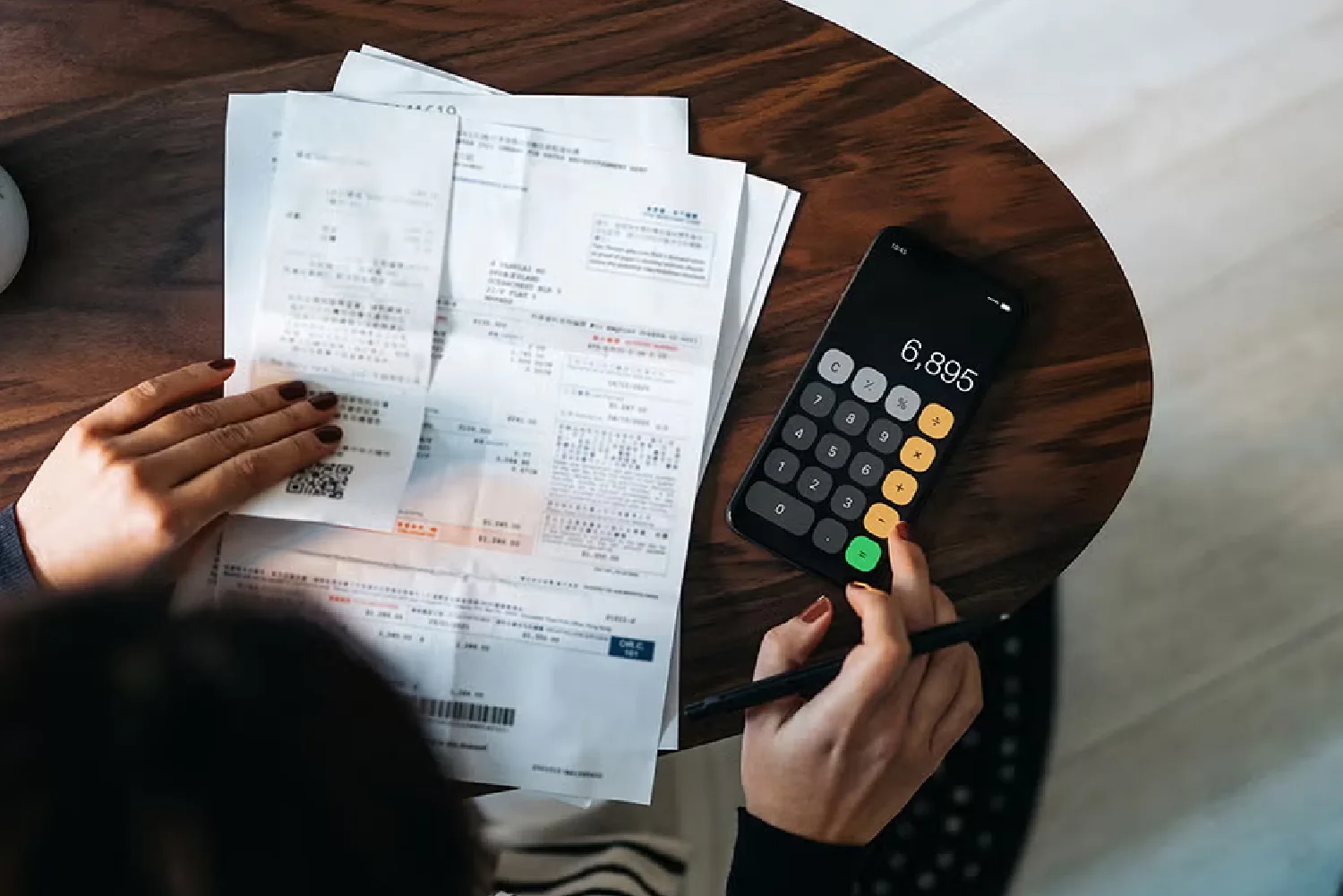
Managing personal finances has become an increasingly important priority for households throughout the United Kingdom. Economic conditions, changing utility prices, housing costs, and everyday expenses all influence the way families organise their financial plans. A well-structured budget helps individuals understand where their money goes each month and allows them to balance essential spending with long-term planning. Financial awareness has grown in recent years as people seek practical ways to maintain stability during uncertain economic periods. Government organisations such as HM Treasury regularly publish guidance and data that help citizens better understand national economic trends. At the household level, however, financial stability often begins with simple budgeting habits that help people monitor their resources and adjust their behaviour accordingly. Creating a thoughtful spending plan allows families to maintain control over everyday expenses while still setting aside funds for savings, emergencies, and future goals. With careful organisation and consistent review, budgeting can become a practical tool that supports financial resilience across many different life situations.
Advertisement
The first step in building a realistic budget involves understanding income and spending patterns. Households often benefit from documenting all sources of income alongside regular monthly costs such as rent or mortgage payments, groceries, transportation, and utility bills. Tracking these details reveals how money flows through the household and highlights areas where adjustments might be helpful. Many families use digital budgeting applications, banking tools, or spreadsheets to monitor their spending. Others prefer handwritten notebooks or ledgers that allow them to record expenses manually. Regardless of the method chosen, the goal is to create a clear overview of financial activity. Resources provided by organisations like MoneyHelper offer budgeting templates and practical advice that help households organise their financial information effectively. When individuals gain a clearer understanding of their spending patterns, they are better equipped to make thoughtful decisions about daily purchases and long-term priorities.
Reducing unnecessary costs is another practical strategy that helps households strengthen their financial position. Small adjustments to daily habits can create meaningful savings over time. For example, reviewing subscription services, planning weekly grocery purchases in advance, and comparing prices before making large purchases may reduce overall spending. Energy efficiency practices also play an important role, particularly during colder months when heating costs can increase. Households sometimes review their utility usage, upgrade to energy-efficient appliances, or adjust home heating schedules to control expenses. In many cases, these changes require minimal effort but contribute to long-term financial discipline. The key lies in consistency: when families regularly examine their spending habits, they become more aware of how everyday choices influence their financial well-being. Over time, these modest adjustments accumulate into meaningful improvements in household financial stability.