
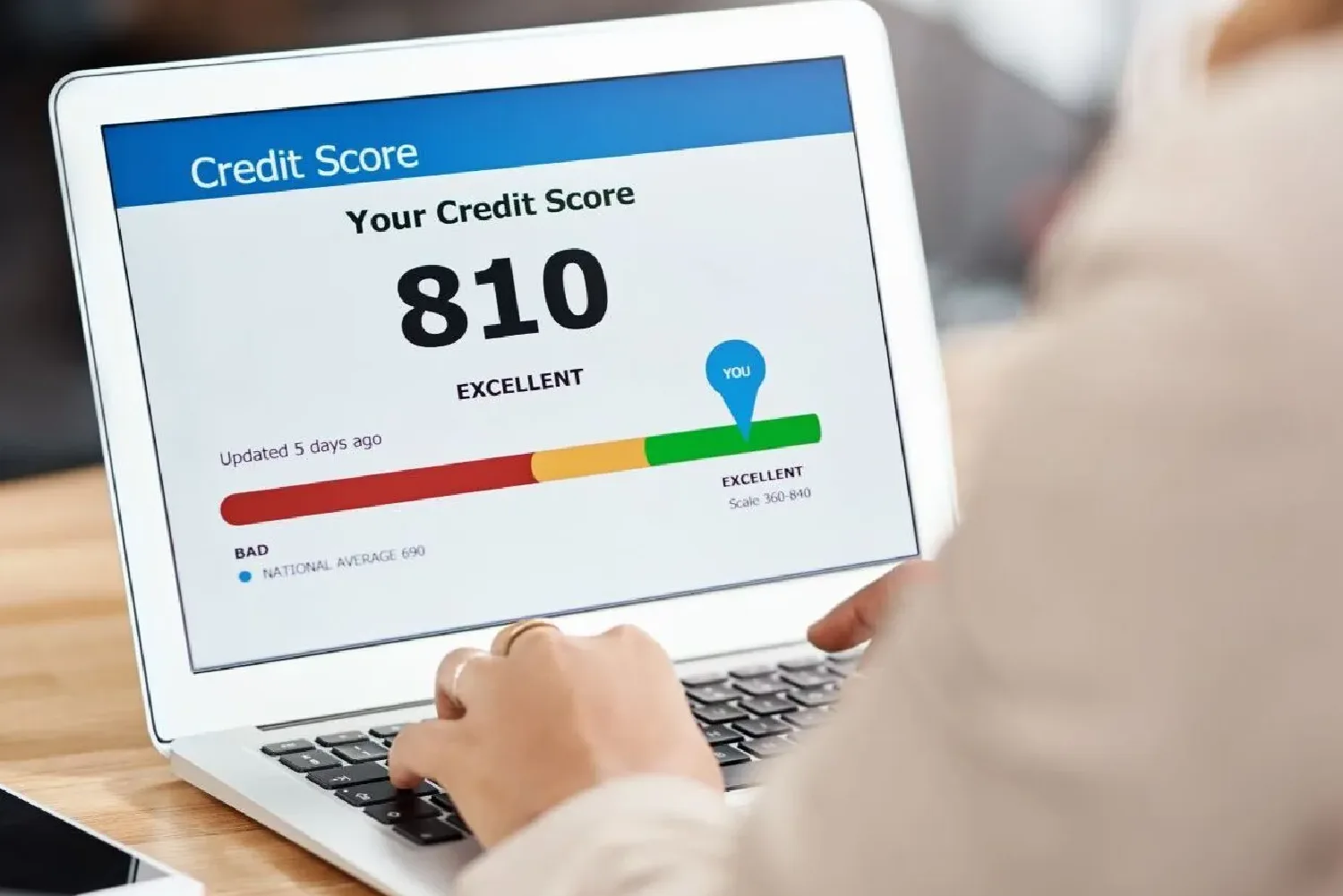
Maintaining a healthy credit score plays an important role in financial life across the United Kingdom. Lenders often review credit histories when assessing applications for financial products such as mortgages, credit cards, and personal loans. A strong credit profile can influence borrowing conditions and help individuals access financial services with greater flexibility. Understanding the elements that shape credit ratings allows residents to make informed choices about spending, repayment habits, and long-term financial planning. Credit reference agencies, including Experian, collect financial data that contributes to individual credit reports. These reports summarise payment history, existing credit accounts, and other financial information that lenders evaluate when determining reliability. By becoming familiar with how credit scores are calculated, UK residents can adopt practical habits that support a stable and responsible financial profile over time.
Advertisement
One of the most significant factors influencing a credit score is payment history. Regular and timely payments demonstrate consistency and financial discipline to lenders. Bills such as utility payments, credit card balances, and repayment instalments for existing borrowing arrangements contribute to this record. Even a small delay in payment can appear on a credit report and may affect the overall rating. Many households use reminders, automatic payments, or banking alerts to keep track of due dates and prevent missed payments. Maintaining an organised schedule of financial obligations helps ensure that bills are settled on time. Over months and years, consistent repayment patterns build a reliable financial history that can strengthen a person’s credit profile and encourage confidence among financial institutions.
Credit utilisation is another element that significantly affects credit scores. This term refers to the proportion of available credit that an individual is currently using. When balances remain relatively low compared with total credit limits, it signals careful financial management. High utilisation ratios, on the other hand, may indicate that a person relies heavily on borrowed funds. Financial advisers often suggest keeping credit usage within moderate levels to support a balanced credit profile. Reviewing monthly statements and monitoring spending patterns allows individuals to maintain awareness of their credit usage. Small adjustments, such as spreading purchases across billing periods or paying down balances before statement dates, may help maintain a healthier ratio between available credit and current balances.