
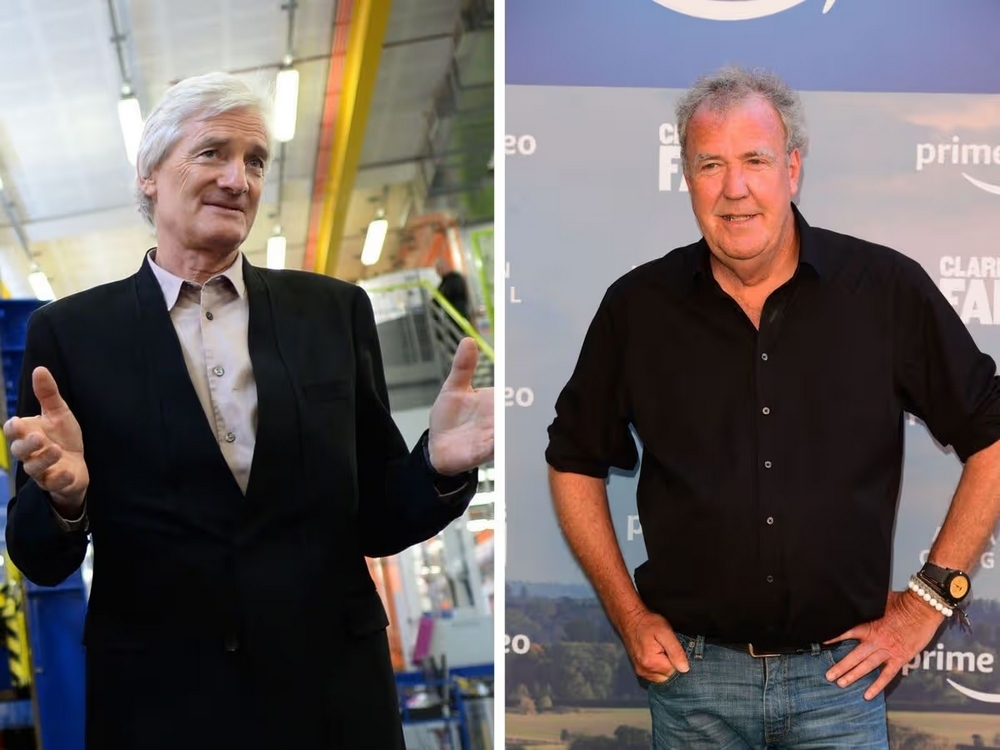
Clarkson Becomes the Face of the Fury
Advertisement
Clarkson was never going to be a quiet presence.
After years of presenting Clarkson’s Farm, he had become one of Britain’s most recognisable farming voices — not because he was a traditional agricultural lobbyist, but because he had shown millions of viewers how difficult, expensive and unpredictable farming can be.
His arrival at the protest instantly changed the atmosphere.
The cameras turned. The headlines sharpened. Suddenly, the argument was no longer buried in Budget documents and Treasury language. It had a face, a voice and a very Clarkson-style sense of outrage.
For supporters, Clarkson was saying what ordinary farmers felt: that people in London were making decisions about land they did not understand.
For critics, however, the picture was more complicated.
Clarkson is wealthy. He owns a farm. He has previously faced questions over whether tax advantages were one reason wealthy people bought agricultural land in the first place.
That tension made the story explosive.
Was Clarkson defending working farmers — or was he defending a system that had also benefited rich landowners?
That question sat at the heart of the national row.
Then James Dyson Entered the Argument
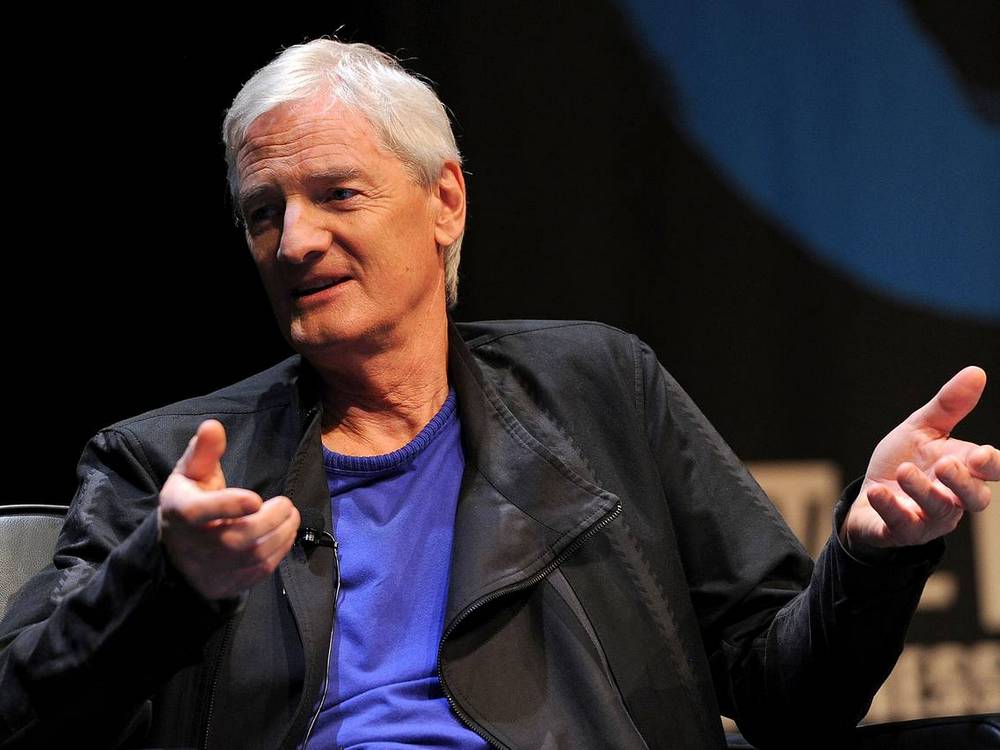
If Clarkson gave the protest its populist force, Sir James Dyson gave the tax row another kind of power.
Dyson is not just a famous inventor. He is one of Britain’s best-known billionaires and a major business figure. His criticism of Labour’s Budget landed because it went beyond farming. It touched family businesses, entrepreneurship and the fear that long-built companies could be punished when passed to the next generation.
Dyson warned that changes to inheritance tax relief could hurt family-owned businesses and damage the kind of long-term enterprise Britain says it wants to encourage.
To his supporters, this was a serious warning from a businessman who understands manufacturing, investment and growth.
To his opponents, it was another example of the very wealthy resisting a tax change that ordinary people could never avoid.
That is why the Dyson angle became so combustible.
He was not standing in a muddy field with a broken gate and a failing crop. He was speaking as a billionaire entrepreneur — and critics were quick to ask whether this was really about saving small farms, or protecting large estates and family wealth.
No Secret AI Platform. No Bank Plot. Just a Very British Fight About Money
The fake AI version of the story worked because it borrowed the emotional ingredients of the real one.
There was already distrust of billionaires. There was already fear about technology and jobs. There was already anger about living costs. And there was already a political fight over whether Britain’s richest people play by the same rules as everyone else.
Add the phrase “secret AI platform” to that mix, and the internet does the rest.
But the true story does not need a hidden machine or a shadowy banking conspiracy.
The real scandal — or at least the real controversy — is easier to understand and harder to dismiss.
A government changed the rules. Farmers said those rules could destroy family farms. Clarkson turned up and gave the anger a megaphone. Dyson warned that family businesses could suffer. Critics argued that wealthy landowners had long benefited from the very reliefs now being defended.